Magnesium alone vs a multi-ingredient evening formula: what is the difference?
Magnesium alone or a multi-ingredient evening formula? How they differ, how magnesium forms compare, and what to ask your doctor or pharmacist.
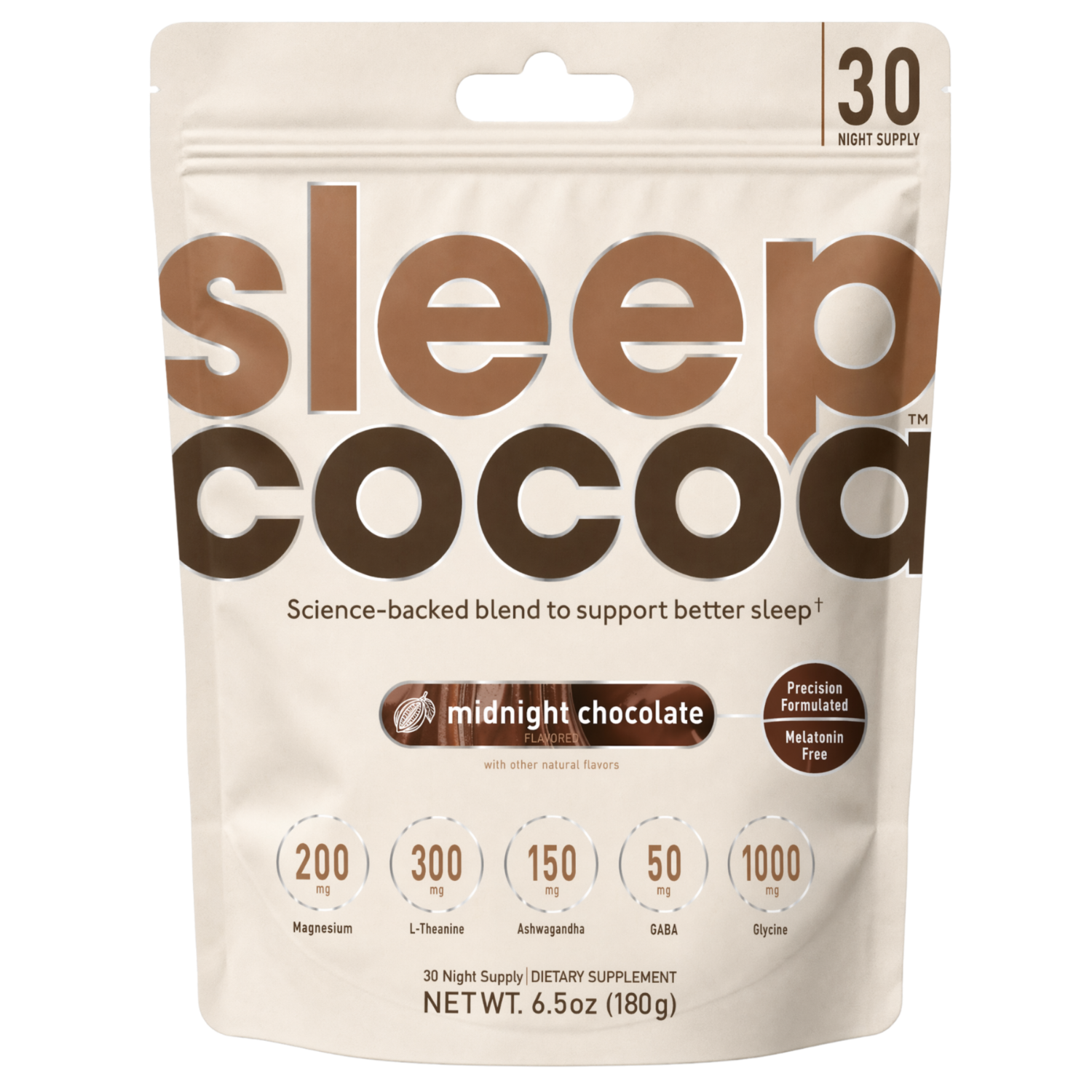
SleepCocoa makes a cocoa drink for your evening routine. Our team wrote this article, and we mention our product.
TL;DR: Magnesium is a mineral, not a sleep hormone, and it plays a role in regulating muscle and nerve function, according to the NIH Office of Dietary Supplements. A multi-ingredient evening formula, such as a bedtime cocoa drink, puts several ingredients in one serving, which means more to read on the label. If you have questions about medication interactions, keep it simple, change one thing at a time, and check with your doctor or pharmacist.
Quick comparison
| Option | What it is | Strengths | Tradeoffs | Who it fits |
|---|---|---|---|---|
| Magnesium alone | A single-mineral supplement you can look at on its own | Easy to trial. One ingredient means a short label to go over with your doctor or pharmacist. | Does not change evening habits that affect sleep, such as late caffeine, alcohol, or large meals. Some forms bother some stomachs. | People who want the simplest starting point |
| Multi-ingredient cocoa drink mixes | A warm cocoa drink with several supplement ingredients added | Fits a nightly hot cocoa ritual. Check whether melatonin is added and whether the product is third-party tested. | More ingredients to check, which matters if you take medication. | People who want a warm-drink routine and are comfortable with a longer label |
| Other multi-ingredient blends (capsules and powders) | Several ingredients in a capsule, powder, or drink format; some add melatonin and some do not | Many formats exist, including capsules for people who do not want a drink. | Ingredients, testing, and amounts vary a lot by product. | People who prefer capsules or a different flavor format |
| Magnesium L-threonate | A magnesium form some people consider when choosing magnesium specifically | A different form option if another form bothers your stomach. | Cost is often higher than other forms, and a higher price is not evidence of a different effect. | People who have tried other forms and want to ask about a different one |
Magnesium and melatonin: how they differ
Melatonin is a hormone your brain produces in response to darkness, and it helps with the timing of your circadian rhythms and with sleep, according to NCCIH. Magnesium does not do that. It is a mineral that plays a role in regulating muscle and nerve function (NIH Office of Dietary Supplements).
Whether either one fits your situation is a question for your doctor or pharmacist. If you have questions about melatonin, bring them to that conversation too.
For a deeper look at the two, see magnesium vs melatonin for sleep: how they differ.
Why people still wake up after taking magnesium
Night waking can have more than one trigger. The CDC lists habits that can improve sleep, including avoiding large meals and alcohol before bedtime, avoiding caffeine in the afternoon or evening, and keeping the bedroom quiet, relaxing, and cool. A single supplement does not change those parts of your evening.
Some people look at multi-ingredient evening formulas at this point. Research on individual ingredients does not tell you how a combination will affect you, so talk to your doctor or pharmacist before adding one.
A practical way to try this without guessing
- Change one thing for 7-10 nights. Do not start several new supplements at once, and ask your doctor or pharmacist before adding more than one.
- Track two numbers: time to fall asleep, and number of wake-ups you remember.
- Keep bedtime inputs stable: caffeine cutoff, alcohol, meal timing, and screen time. Otherwise you cannot tell what changed.
A multi-ingredient drink vs magnesium alone, the real tradeoff
Magnesium alone is the cleanest experiment. One ingredient, fewer variables, and a shorter label to go over with your doctor or pharmacist.
A multi-ingredient cocoa drink fits people who want a nightly hot cocoa ritual as part of their routine. It also means more ingredients to check. SleepCocoa, which we make, is one example of this format.
If you want to sanity-check quality signals like testing before you buy, see how to choose a third-party tested bedtime cocoa.
If you are deciding between a drink and capsules, this may help: Magnesium drink vs capsules for sleep.
Magnesium in hot cocoa, does cocoa caffeine matter?
People ask this because they have heard cocoa contains caffeine. Cocoa naturally contains small amounts of caffeine and theobromine, and the CDC suggests avoiding caffeine in the afternoon or evening.
Some people notice even small amounts of caffeine more than others. If you suspect you are one of them, notice how you feel on nights with cocoa and nights with a different warm drink, and ask your doctor or pharmacist any questions about timing.
If you want a direct comparison of cocoa formats, see how regular hot cocoa compares with other bedtime cocoa types.
Magnesium forms in a drink, glycinate vs citrate vs oxide
If you want fewer overnight bathroom or stomach surprises, the form is worth knowing, and it is listed on the label.
| Form | How it shows up in evening routines | Stomach notes | Fit for hot cocoa |
|---|---|---|---|
| Magnesium glycinate | A common form in bedtime drinks | Some people choose it because other forms bother their stomach | Common in bedtime drinks |
| Magnesium citrate | Widely used, often for reasons other than sleep | Some people associate it with digestive effects overnight | If nighttime bathroom trips are already an issue, ask your doctor or pharmacist before choosing it |
| Magnesium oxide | Less common in bedtime drink mixes | Can bother some stomachs | Ask your doctor or pharmacist which form fits you |
If you want a longer breakdown, see Magnesium Glycinate Vs Citrate For Sleep.
What about L-threonate?
L-threonate is another form you will see on labels, usually at a higher price. If you are waking at 3 a.m., a different magnesium form does not change the evening habits that affect sleep, such as caffeine timing, alcohol, and a consistent schedule.
Magnesium alone or a multi-ingredient formula: questions to ask
Magnesium alone tends to fit when you want a simple test, or you already know how your body responds to it. A multi-ingredient formula has more on the label, which some people prefer and others do not.
- You fall asleep, but do not stay asleep. Repeatedly waking during the night is one sign of poor sleep quality, according to the CDC, which suggests talking to a healthcare provider about ongoing sleep problems. If that sounds like you, see what to look at if magnesium helps you relax but you still wake up at night.
- Your brain feels alert at bedtime. A relaxing bedtime routine and devices off 30 minutes before bed are both on the AASM list of healthy sleep habits.
- You want a ritual you can repeat nightly. A hot drink can be easier to stick with than another capsule. If you want ideas, see how a bedtime cocoa ritual can fit nights when you wake up.
Medications and new supplements: talk to your doctor or pharmacist
Your caution is reasonable. Supplements can interact with medications, and multi-ingredient products give you more to check.
If you take any medication, are pregnant or nursing, or have a medical condition, check with your doctor or pharmacist before adding magnesium or a multi-ingredient product.
- Ask before adding more than one new product. One change at a time also makes it easier to notice what changed.
- Follow advice on timing. If your doctor or pharmacist advises spacing minerals away from certain medications, follow that plan.
- Notice your stomach response. If you get nighttime stomach upset, talk to your doctor or pharmacist.
For a magnesium-focused guide, see magnesium glycinate in the evening: FAQ.
FAQ
Is magnesium the same kind of thing as melatonin, or is it a totally different thing?
It is a different thing. Melatonin is a hormone your brain produces in response to darkness that helps with the timing of your circadian rhythms (NCCIH). Magnesium is a mineral that plays a role in regulating muscle and nerve function (NIH Office of Dietary Supplements). Whether either fits you is a question for your doctor or pharmacist.
I tried magnesium but I still wake up at night, what should I look at next?
Waking up at night often has more than one driver, so look at the whole evening: the CDC suggests the same bed and wake time every day, a quiet, relaxing, cool bedroom, and avoiding large meals, alcohol, and late caffeine. Avoid starting several new products at once, and ask your doctor or pharmacist before adding anything. If waking keeps happening, talk to a healthcare provider.
Magnesium in a bedtime cocoa or a magnesium supplement by itself: how do I decide?
This comes down to consistency and preference. A bedtime cocoa can become part of a nightly ritual, while a supplement by itself keeps the label short. Cocoa naturally contains small amounts of caffeine and theobromine, so if you notice caffeine easily, keep that in mind, and ask your doctor or pharmacist which option fits you.
For hot cocoa, how do magnesium glycinate vs citrate vs oxide compare if I want the least stomach upset overnight?
Stomach upset is one of the most common reasons people give up on magnesium at night. Glycinate is a common form in bedtime drinks, and some people choose it because other forms bother their stomach. Some people associate citrate with digestive effects, and oxide is less common in bedtime drink mixes. Ask your doctor or pharmacist which form fits you, and keep your drink size moderate close to bedtime, since the AASM suggests reducing fluids before bed (healthy sleep habits).
If I want magnesium in a drink, is it wasted because cocoa contains caffeine?
People do not want to cancel out their own sleep routine. Cocoa naturally contains small amounts of caffeine and theobromine, and how much people notice caffeine varies from person to person. If you suspect cocoa keeps you up, notice how you feel on nights with and without it, and ask your doctor or pharmacist about timing.
Is threonate worth the extra cost if I mostly care about 3 a.m. waking and stomach comfort?
Cost matters because evening routines can get expensive fast. L-threonate usually costs more than other forms, and a higher price is not evidence of a different effect on night waking. If you are already comfortable with another form, ask your doctor or pharmacist whether a change makes sense, and look at your evening habits too.
Is a multi-ingredient cocoa drink a first step or a next step after magnesium?
That depends on your preferences, what you already take, and what your doctor or pharmacist says. A multi-ingredient drink means more ingredients to check; magnesium alone means fewer. Whichever you consider, bring the full label to that conversation.
How to decide in 10 minutes tonight
If you want the cleanest experiment, magnesium alone keeps the variables low. If you want a warm cocoa ritual, a multi-ingredient cocoa drink is another format to consider. Either way, talk to your doctor or pharmacist first if you take medication.
Whichever path you choose, keep it simple: one change at a time, steady timing, and notes on wake-ups and how you feel in the morning. The goal is a routine you can keep and notes you can learn from.
References
- NIH Office of Dietary Supplements, Magnesium fact sheet for consumers
- NCCIH, Melatonin: What You Need To Know
- CDC, About Sleep
- AASM Sleep Education, Healthy Sleep Habits
*These statements have not been evaluated by the Food and Drug Administration. This product is not intended to diagnose, treat, cure, or prevent any disease. Research cited describes individual ingredients, not SleepCocoa as a finished product, which has not been clinically tested. Talk to your doctor or pharmacist before use if you are pregnant, nursing, under 18, have a medical condition, or take any medication. Do not drive or operate machinery until you know how SleepCocoa affects you.