Magnesium for sleep FAQ: what to know if you have a sensitive stomach
Sensitive stomach? How magnesium glycinate, citrate, and oxide differ, how to read elemental magnesium on a label, and what to ask your pharmacist.
SleepCocoa makes a cocoa drink for your evening routine. Our team wrote this article, and we mention our product.
TL;DR: If you are looking at magnesium for your evening routine and your stomach is sensitive, magnesium glycinate (or bisglycinate) is a form many people ask about, because some people find other forms, like citrate, harder on digestion. If you take medications or have a sensitive gut, talk to your doctor or pharmacist before you start, and ask about interactions.
What kind of magnesium is least likely to upset my stomach for sleep?
If you are choosing magnesium mainly for sleep and you want to avoid bathroom surprises, magnesium glycinate or magnesium bisglycinate is a form many people look at first.
In plain terms, citrate is the form people tend to associate with looser stools, while glycinate is a form many people with a sensitive stomach ask about. Oxide is common and inexpensive, but it is less often the form people look for in a bedtime routine.
If you want magnesium as part of a warm drink, some drink mixes list magnesium glycinate as the form, so check the supplement facts panel.
If I go with glycinate, how should I think about dose, like 100 mg or 200 mg elemental?
Recommended amounts of magnesium vary by age and sex, according to the NIH Office of Dietary Supplements, so the right amount for you is a question for your doctor or pharmacist, especially if your stomach is sensitive.
Elemental magnesium is the number you care about when you compare doses across different forms. Many labels also list the compound weight, which can look big on the front but does not always mean a high elemental amount.
If you are not sure how to read your specific supplement facts panel, use this simple rule: compare products by the elemental magnesium per serving, and bring the label to your doctor or pharmacist if you are unsure. For more on amounts, see how much magnesium you should take at night for sleep.
How do magnesium glycinate, citrate, and oxide compare for stomach upset when you take them at night?
People often describe them like this: glycinate or bisglycinate is the form many people with sensitive stomachs look at first, citrate is the one more often associated with looser stools, and oxide varies and is less often chosen for a sleep-focused routine.
The reason this matters for sleep is practical. If a magnesium makes your stomach feel off, you can end up waking more, even if the product is marketed for sleep.
| Form | Typical stomach feel for sensitive users | Common reason people buy it |
|---|---|---|
| Magnesium glycinate / bisglycinate | Many people find it easier on the stomach | Evening routines when stomach comfort is a priority |
| Magnesium citrate | More often associated with loose stools | People who already tolerate it well |
| Magnesium oxide | Can be hit-or-miss | Basic magnesium supplementation |
If you want a deeper comparison, see magnesium glycinate vs citrate for sleep.
What should I look for in a magnesium I can mix into a warm drink?
If you want a warm drink, a practical choice is one you will actually use as part of a nightly routine. A bedtime ritual you keep is easier than a capsule you keep forgetting in the cabinet.
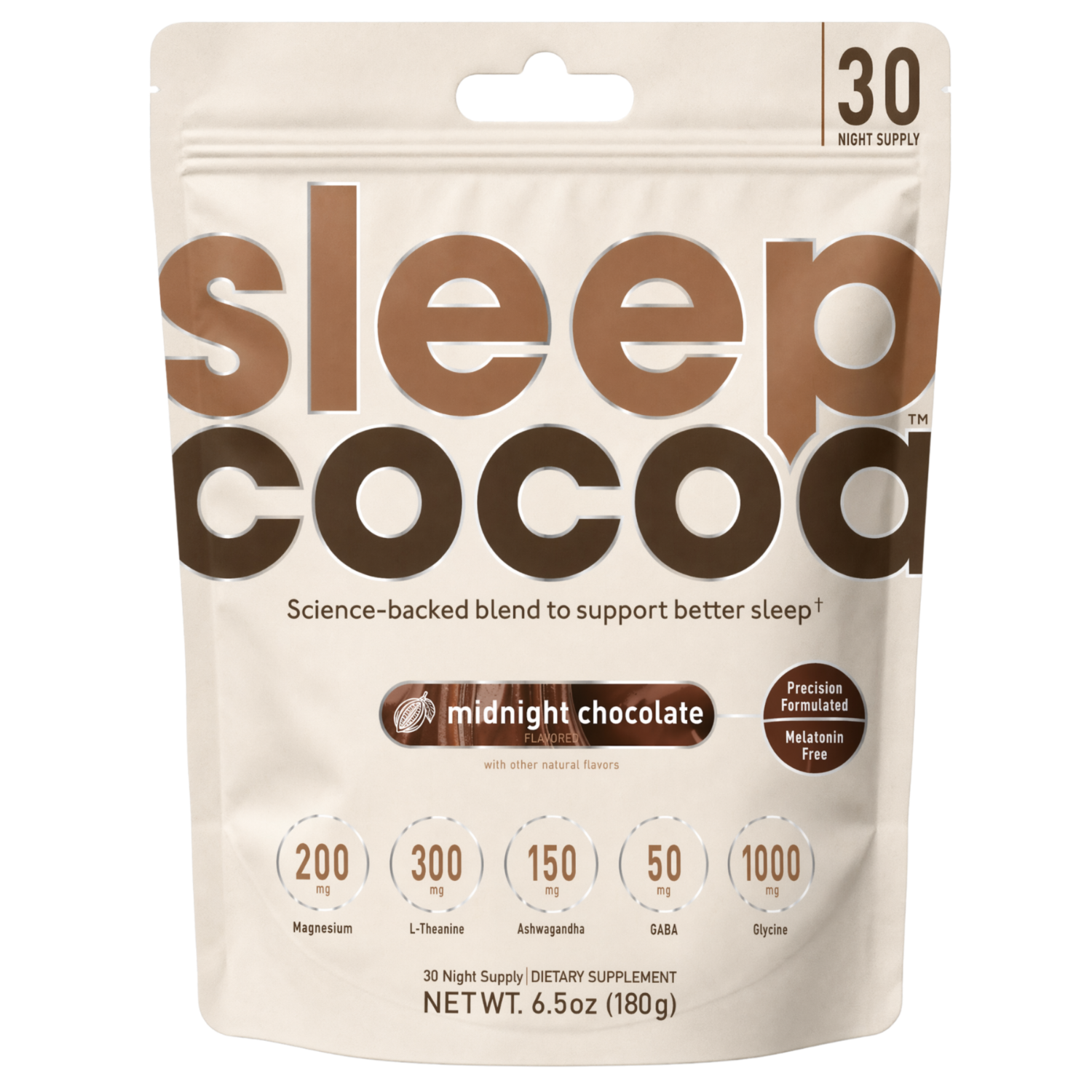
Some warm drink mixes combine magnesium glycinate with other ingredients, such as ashwagandha, glycine, and L-theanine, so read the whole label, not just the magnesium line.
Magnesium alone and a multi-ingredient drink are different choices. Magnesium alone is simpler to judge because you know what you changed; a multi-ingredient drink makes it harder to tell what is doing what, and research on single ingredients does not describe how a combination will affect you. If you are comparing options, magnesium drink mixes compared breaks down what to look for on labels.
Does magnesium glycinate make a difference for sleep quality compared with other magnesium types in a bedtime drink?
Magnesium glycinate is common in bedtime products, and some people choose it because they find it easier on the stomach, which can make a routine easier to keep. We do not have a primary source comparing magnesium forms for sleep quality, so we cannot say one form does more for sleep than another. What the American Academy of Sleep Medicine does list among healthy sleep habits is a consistent schedule and a relaxing bedtime routine.
In a bedtime drink, the form also affects how easy the experience is. If a citrate-based drink reliably upsets your stomach, the tradeoff is obvious: you might fall asleep, then wake up uncomfortable.
If you want a deeper breakdown of when a simple magnesium glycinate supplement makes sense vs a multi-ingredient drink, see magnesium glycinate vs a multi-ingredient bedtime drink.
How do I compare sleep drink mixes that list no added melatonin but have other ingredients?
Start by deciding what you want to know. Some people only check for added melatonin; others also want to know about L-theanine, herbs, or other ingredients because of sensitivity or medication questions, which are worth raising with your doctor or pharmacist.
Then read the ingredient list for everything beyond magnesium. Some mixes pair magnesium glycinate with ingredients such as ashwagandha, glycine, and L-theanine, so they are not magnesium-only products.
If you want help sorting magnesium-only products from blends, compare mixes side-by-side using an ingredient-list-first approach. This guide can help you compare options: magnesium drink mixes compared.
Magnesium alone or a blend: how do they differ?
Magnesium alone vs a blend depends partly on what keeps you up, and it is a good question to bring to your doctor or pharmacist.
Some people notice physical tension at bedtime; others notice a busy mind. A blend adds more ingredients to judge at once, while magnesium alone keeps it simple. Either way, the amount you take is a question for your doctor or pharmacist, not something to keep raising on your own.
For a direct comparison of magnesium alone vs magnesium with melatonin, see magnesium alone vs magnesium with melatonin: how the two differ.
If I take medications, can magnesium for sleep interact with them?
It can matter, so ask your doctor or pharmacist about your exact medication list. This matters most if you take medications at night, since you may be tempted to take magnesium at the same time.
Whether and how to space magnesium from a medication depends on what you take, so that is a question for your doctor or pharmacist. Bring the supplement facts panel to your next appointment so they can see every ingredient.
Third-party testing is a quality check, and it does not replace personal medical advice. If you have kidney issues, are pregnant or nursing, or take several medications, talk to your doctor or pharmacist before adding any magnesium product.
What should I do if magnesium upsets my stomach at night?
If magnesium bothers your stomach, talk to your doctor or pharmacist before changing anything, and bring the label. Questions worth asking:
- Whether a different form, such as glycinate or bisglycinate, makes sense if loose stools are the issue.
- Whether the amount on the label is right for you.
- Whether the time of evening you take it matters, so you are not dealing with stomach effects at 2 a.m.
If you want a nightly drink, a warm cocoa ritual can also slow the pace of how you take it compared to dry-scooping a powder.
How long should I try a magnesium sleep routine before I decide it is not for me?
Sleep varies from night to night, so a single night tells you little; keep the rest of your routine consistent so your notes mean something. If you change several things in the same week, you will not know what made a difference. Talk to your doctor or pharmacist before changing the form or amount.
Keep a simple note of your bedtime, how long it takes to fall asleep, and how you feel in the morning, and bring it to that conversation.
Questions people ask before buying
Should I look at magnesium glycinate if I get stomach upset easily?
Sensitive stomachs change the decision because the product that fits is one you can use consistently without stomach trouble. Glycinate or bisglycinate is a form many people ask about when stomach comfort is a priority. If you are thinking about moving from citrate to another form, talk to your doctor or pharmacist first.
If a label says 1,000 mg on the front, is that the same as 1,000 mg elemental magnesium?
This matters because the big number on the front is often the total compound weight, not the elemental magnesium your body counts toward intake. Compare products by the magnesium line on the supplement facts panel, since that is where elemental magnesium is typically shown. If you are unsure, bring the label to a pharmacist and ask them to confirm what the elemental amount is for that specific product.
Is a magnesium-only sleep drink always a better choice than a multi-ingredient one?
It depends on what you react to, not on whether the label says magnesium only. Some drink mixes are not magnesium-only because they also include ingredients like L-theanine, glycine, and ashwagandha. If you are sensitive to added ingredients, a simpler product gives you fewer things to judge, and your doctor or pharmacist can help you sort through a label. If you want to compare ingredient types, common sleep drink ingredients is a useful reference.
Between glycinate and threonate, which tends to feel faster for sleep?
How quickly anyone notices a change varies a lot from person to person, and we do not have a primary source comparing how fast glycinate and threonate are noticed. If you are comparing forms with your doctor or pharmacist, keep your bedtime, caffeine cutoff, and screen use the same for several nights so the comparison is fair.
Do magnesium sleep drinks with no added melatonin still have other ingredients in them?
No added melatonin only tells you one thing; it does not mean the product is magnesium-only. Many magnesium drink mixes also list ingredients like glycine, L-theanine, and ashwagandha. If you need to avoid certain botanicals or amino acids because of medications, read the full label and check with your doctor or pharmacist.
What if I try a sleep supplement and it does not work for me?
This worry is reasonable because sleep is personal and people respond differently. Before you buy, read the refund or return terms so you know what applies. If a product is not a fit, look back at what you used, what time you took it, and what else changed in your routine, and share those notes with your doctor or pharmacist so your next choice is more informed.
Can I take magnesium for sleep if I already take other medications?
This question matters because supplements and medications can affect each other. Talk to your doctor or pharmacist before adding magnesium or any supplement if you take medication. Bring the label and your medication list, and ask them about timing.
What to do tonight if your stomach is sensitive
If your stomach is sensitive and you are considering magnesium, ask your doctor or pharmacist whether glycinate or bisglycinate, and the amount on the label, make sense for you. Choose a format you will repeat nightly, because a relaxing, consistent bedtime routine is one of the AASM healthy sleep habits.
If a warm drink helps you slow down, you can browse warm drink options in bedtime cocoa mixes.
*These statements have not been evaluated by the Food and Drug Administration. This product is not intended to diagnose, treat, cure, or prevent any disease. Research cited describes individual ingredients, not SleepCocoa as a finished product, which has not been clinically tested. Talk to your doctor or pharmacist before use if you are pregnant, nursing, under 18, have a medical condition, or take any medication. Do not drive or operate machinery until you know how SleepCocoa affects you.