How to choose a third-party tested bedtime cocoa for your evening routine
What third-party tested means on a bedtime cocoa, what it does not mean, and a simple checklist for comparing formats and labels.
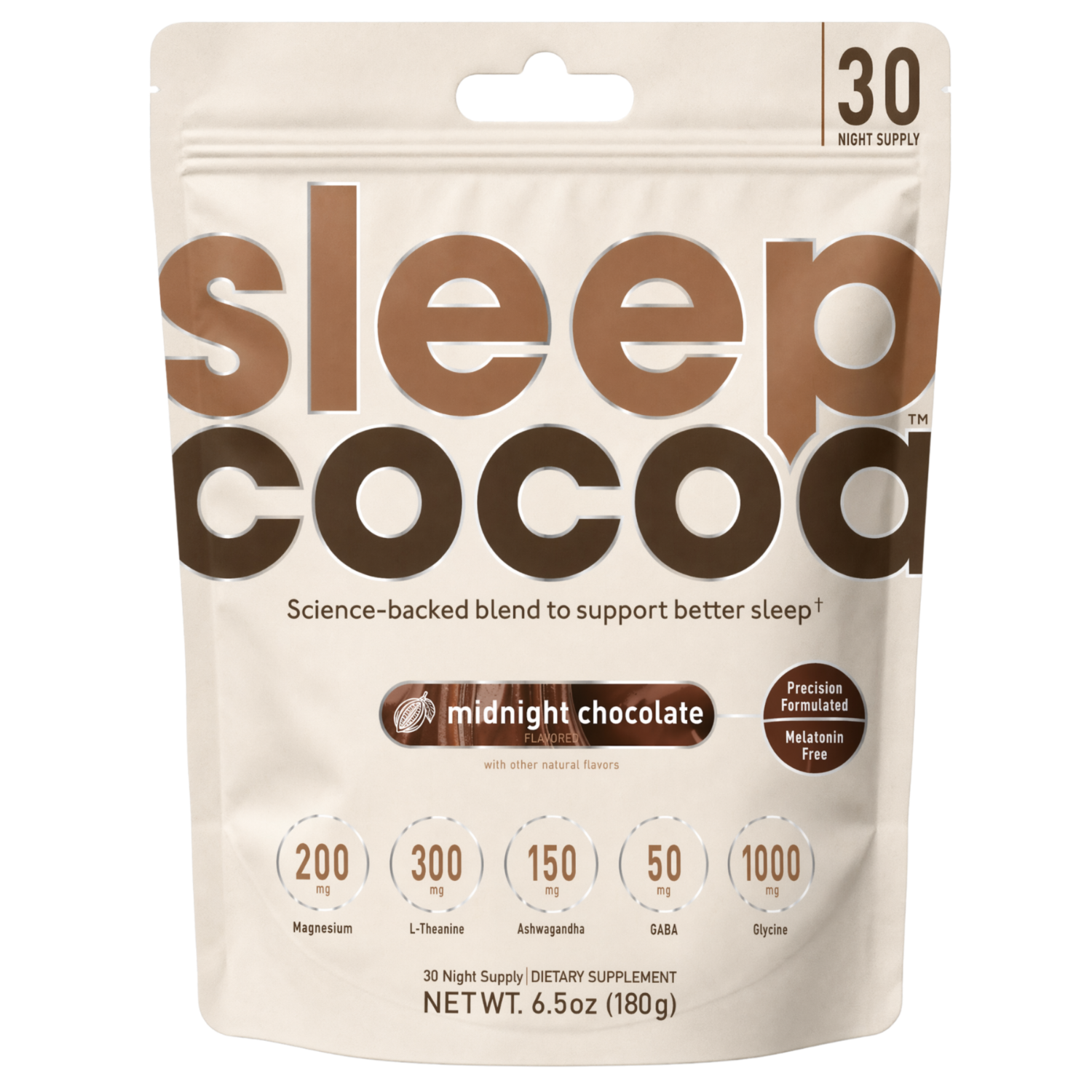
SleepCocoa makes a cocoa drink for your evening routine. Our team wrote this article, and we mention our product.
TL;DR: If you want a bedtime cocoa drink that is third-party tested, look for clear testing language that says who did the testing, check whether the formula adds melatonin, and read the supplement facts panel. Third-party testing is a quality check, not a promise about how a drink will affect your sleep.
Why third-party tested matters for bedtime cocoa
When you drink something every night, you want fewer surprises. Third-party testing is one of the simplest ways to lower the risk of getting a product that does not match the label.
It is also worth being clear about what testing does not do. No testing can make a supplement right for everyone or tell you how it will affect you. Third-party testing is a practical quality filter, not proof that a product works or suits you.
What to look for on the label and product page
A lot of products hint at quality without giving you anything you can check. The goal is to find claims that are specific and consistent, so you can compare brands without guessing.
Clear third-party testing language
Look for plain wording like third-party tested and make sure it is stated as a fact, not implied. If the brand only says tested without saying who tested it, read that as a soft claim. A named lab is a detail you can look up.
Whether the formula adds melatonin
Some bedtime cocoas add melatonin and some do not, so check the supplement facts panel. Melatonin is a hormone your brain makes in response to darkness, and it helps with the timing of your circadian rhythms and with sleep, according to NCCIH.
If you have questions about melatonin, or about how it has made you feel, talk to your doctor or pharmacist.
Ingredient labeling you can read
Bedtime drinks vary a lot in what they contain. Read the supplement facts panel for each added ingredient, and note that some ingredients may be listed individually and others as part of a blend with a combined amount.
Common ingredients in bedtime cocoa mixes include magnesium, glycine, L-theanine, and ashwagandha. Research on an ingredient describes that ingredient at a specific dose in a specific group of people, not any particular drink mix.
Why some people prefer a cocoa format to capsules
A routine only matters if you keep it. Many people struggle with consistency when the routine is just another pill. A warm drink can be easier to stick with because it feels like a real bedtime ritual, and a relaxing bedtime routine is one of the healthy sleep habits the American Academy of Sleep Medicine lists.
Cocoa also creates a clear cue that the day is ending. That cue matters if your main issue is a busy mind, scrolling too late, or feeling wired even when your body is tired.
If you want a deeper comparison of the formats, see bedtime cocoa vs hot cocoa.
Product types and who each one may fit
The right fit depends on your routine. Use the product type as your shortcut, then narrow down to third-party tested options within that type.
| Product type | May fit | Watch-outs | What to look for |
|---|---|---|---|
| Bedtime cocoa drink mix | People who want a calming routine, want to replace late-night snacks, or want something they will actually do nightly | Cocoa naturally contains small amounts of caffeine and theobromine, and formulas vary widely | Named third-party testing, whether it adds melatonin, and a clear supplement facts panel |
| Capsules | People who want the fastest, simplest routine and do not want a drink before bed | Easy to forget, and easier to mix brands and products without tracking what you took | Third-party tested and a clear supplement facts panel |
| Gummies | People who dislike pills and want something sweet | Easy to eat like candy, and some formulas add melatonin | Third-party tested, and whether the formula adds melatonin |
Where to start if you want fewer surprises
If you are cautious about adding something new, your first step is not picking a stronger formula. It is reducing variables so you can tell how each change affects you.
- Pick one format and keep to it for a bit, instead of adding a drink, gummies, and pills all at once.
- Check whether it adds melatonin, and talk to your doctor or pharmacist if you have questions about melatonin.
- Choose third-party tested to lower the chance of label surprises.
- Keep the routine consistent by tying it to one cue, like brushing teeth, dimming lights, then making your cocoa.
For common logistics questions, see our shipping and returns page.
How to read third-party tested claims without getting fooled
Some pages use quality language that sounds official but does not mean much. You can screen for that quickly.
- Prefer direct wording. Third-party tested is clearer than vague phrases like quality tested.
- Watch for bait-and-switch. If the headline says tested but the details never repeat it, read it as marketing.
- Separate testing claims from taste claims. A drink can taste good, and neither taste nor testing tells you how it will affect your sleep.
If you want a deeper checklist, see our guide to third-party tested sleep drinks.
A quick checklist you can use
If you are comparing options, it helps to write down the standards you care about and check each product against them.
| What you want | What to verify |
|---|---|
| Third-party tested | Look for a direct statement, not a hint, ideally naming the lab |
| Whether it adds melatonin | Check the supplement facts panel |
| Clear ingredient labeling | Read the supplement facts panel, including anything listed as part of a blend |
| A routine you will do nightly | Format matters as much as formula |
| Return or guarantee terms | Read the exact terms, including any limits |
Practical decision guide for choosing a product type
Whatever your sleep goal, start with the format you can repeat every night. For many people, that is a bedtime drink because it takes the place of an existing habit instead of adding another task. If waking during the night is your bigger concern, our guide on drinks before bed and night waking is a useful next read.
If you do not want any food or drink close to bed, skip the cocoa format and look at a third-party tested capsule. The most appealing formula on paper does not matter if you give up on it after three nights.
If you are on the fence between formats, read choosing a third-party tested sleep drink and decide based on consistency first, then ingredients.
FAQ
What should I look for in a third-party tested bedtime cocoa?
Bedtime cocoa sits between a comfort drink and a supplement, and you want it to be honest about both. Look for a direct statement that it is third-party tested, ideally naming the lab, check whether the formula adds melatonin, and read the supplement facts panel. Third-party testing is a quality check, not evidence of how the drink will affect your sleep.
Is third-party tested the same as FDA approved?
No. Third-party tested means an independent lab tests the product. The FDA does not evaluate dietary supplements for effectiveness before they are sold, so a testing statement is a quality check to weigh alongside the label, not a government sign-off.
Should I choose a bedtime cocoa with or without added melatonin?
That depends on you, and it is a good question for your doctor or pharmacist. Melatonin is a hormone your brain makes in response to darkness, and it helps with the timing of your circadian rhythms and with sleep, according to NCCIH. Check the supplement facts panel to see whether a cocoa adds melatonin. If you want ideas for the ritual itself, see a calm bedtime drink ritual.
What if I take medications, can I still use a sleep drink?
Talk to your doctor or pharmacist before adding any sleep drink. Bring the full ingredient list and your medication list, and ask about your specific medications and nighttime timing.
How do I know if a bedtime cocoa is actually a sleep-support drink and not just regular hot cocoa?
Many products use sleep language while staying close to a standard cocoa mix, so read the supplement facts panel rather than the front of the pack. A bedtime cocoa sold as a supplement lists its added ingredients there, and quality details like third-party testing should be stated directly. For a practical comparison framework, see our guide to bedtime cocoa vs hot cocoa.
How long should I give a new bedtime drink before I judge it?
Sleep varies from night to night, and one good or bad night can mislead you. Keep your routine steady and keep simple notes on bedtime, wakeups, and how you feel in the morning, so any decision is based on patterns over enough nights. If trouble sleeping keeps going, the CDC suggests talking to a healthcare provider.
Which product type fits if I struggle with consistency?
The plan you repeat is the one that counts. For consistency, a bedtime cocoa drink mix can be easier for some people because it feels like a relaxing ritual instead of a task, and it can take the place of late-night scrolling or snacking cues. If you would rather not have a drink before bed, a capsule may fit better.
A simple plan for tonight
Pick your product type first, based on what you will actually do every night. If a warm drink helps you slow down, choose a third-party tested bedtime cocoa and check whether it adds melatonin.
Make it a real bedtime ritual, not a last-second fix. Pair it with one consistent cue: lights down, phone away, then cocoa.
*These statements have not been evaluated by the Food and Drug Administration. This product is not intended to diagnose, treat, cure, or prevent any disease. Research cited describes individual ingredients, not SleepCocoa as a finished product, which has not been clinically tested. Talk to your doctor or pharmacist before use if you are pregnant, nursing, under 18, have a medical condition, or take any medication. Do not drive or operate machinery until you know how SleepCocoa affects you.