Evening options with no added melatonin: routines and ingredients to know
Would rather not take melatonin? Evening habits and common label ingredients, in no particular order, plus when to ask your doctor or pharmacist.
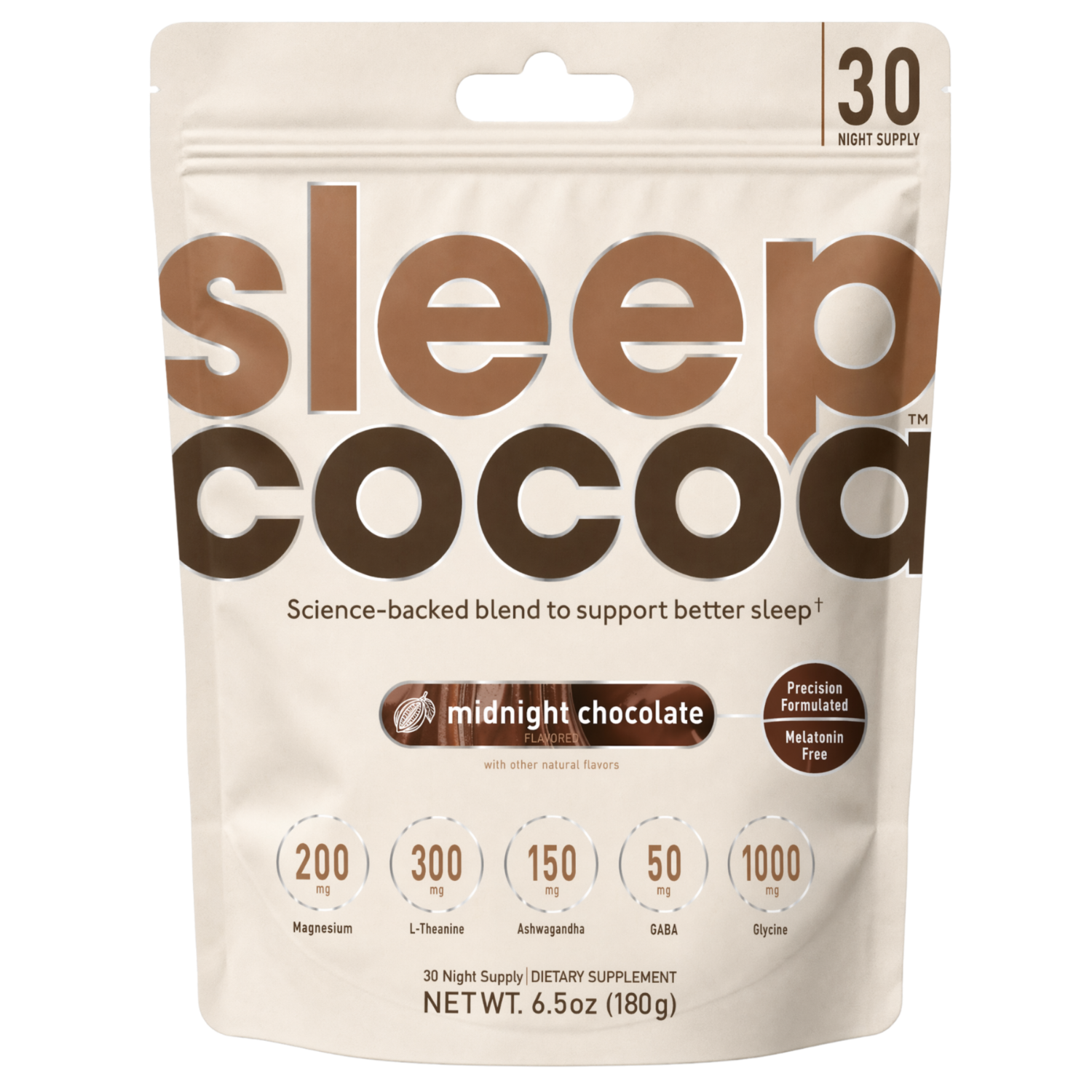
SleepCocoa makes a cocoa drink for your evening routine. Our team wrote this article, and we mention our product.
TL;DR: If you would rather not take melatonin, start with evening habits you can keep consistently, since a regular schedule and a relaxing bedtime routine are among the basic healthy sleep habits. This guide describes common options with no added melatonin, from routine changes to ingredients you will see on labels, in no particular order.
What to look for when you would rather not take melatonin
Most people looking at evening options with no added melatonin are thinking about one of two things: falling asleep (sleep onset) or waking up during the night. The CDC lists both trouble falling asleep and repeatedly waking during the night as signs of poor sleep quality, and it helps to know which one you are working on before you change anything.
A simple idea helps here: a routine only matters if you actually keep it. A warm drink ritual can be easier to stick to than a new pill you forget, and a consistent routine gives you a steady window to notice patterns in your sleep.
Evening options with no added melatonin, in no particular order
This list describes general categories rather than specific brands.
1) Magnesium glycinate, a common single-ingredient option
Magnesium glycinate is one of the most common single ingredients people look at for the evening. Magnesium plays a role in regulating muscle and nerve function in the body, according to the NIH Office of Dietary Supplements; that general role is not evidence that a supplement will change your sleep. If you are still deciding which form of magnesium fits your goal, see magnesium glycinate vs citrate for sleep.
One limit of looking at a single ingredient is that sleep usually has more than one lever: your schedule, evening light, caffeine timing, and everyday stress all play a part. If nothing seems to change, that does not mean you failed. It is a good moment to look at your routine as a whole, and if trouble sleeping keeps going, the CDC suggests talking to a healthcare provider.
If you are deciding between magnesium alone and a multi-ingredient formula, see magnesium glycinate for sleep.
2) L-theanine, often chosen when your mind will not power down at bedtime
L-theanine is an amino acid people often look at when the main issue is a busy mind at night. For a deeper breakdown, see our L-theanine guide.
If you are comparing magnesium glycinate and L-theanine, start with what is keeping you awake. People who notice physical tension or restlessness at night often look at magnesium; people whose thoughts keep looping often look at L-theanine. Neither pattern tells you how either ingredient will affect your sleep.
If you want to compare magnesium alone with magnesium plus L-theanine, see magnesium alone vs magnesium plus L-theanine.
3) Glycine, an amino acid found in some bedtime formulas
Glycine is an amino acid that shows up in many bedtime formulas with no added melatonin. If you want to learn more about it, see our glycine guide.
If you are considering it, check the label for the amount, and talk to your doctor or pharmacist if you already take other supplements or medication.
4) Ashwagandha, often included in products marketed for stress
Some sleep problems start before you even get to bed. If your evenings are tense and you still feel on high alert at bedtime, everyday stress may be part of the picture.
Ashwagandha is a plant extract often chosen for that wired-but-tired pattern. If you are considering it, check the label for the amount and form, and talk to your doctor or pharmacist if you take medication. For more on timing and fit, see our ashwagandha guide.
5) Valerian root, a well-known herbal option
Valerian root is one of the better-known herbs people look at for sleep. Research on valerian is limited, and NCCIH describes the evidence on whether it helps sleep as inconsistent.
Herbal products can feel different from person to person. If you are considering valerian, talk to your doctor or pharmacist first, especially if you take medication.
If you do try it, approach it like an experiment: keep your bedtime and caffeine steady for a week so you can tell what is actually changing.
6) GABA, a common ingredient in calm-focused formulas
GABA shows up a lot in calm-focused supplements, and many shoppers see it next to L-theanine and wonder how the two differ. Looking at GABA is a useful prompt to get specific about your goal: a calmer evening, or falling asleep more easily?
If you want to compare the two, see GABA vs L-theanine for sleep.
Quick comparison by what keeps you up
If your main goal is falling asleep more easily, start by naming what keeps you up. This table sorts two common options by the pattern people usually associate with them. It is about fit, not hype.
| Option | Often considered when | What to watch for |
|---|---|---|
| Magnesium glycinate | You feel physically tense, restless, or wired in your body | Forms and amounts vary by product; ask your doctor or pharmacist if unsure |
| L-theanine | Your thoughts keep you up and you want a calmer pre-sleep focus | Avoid adding several new products at once; ask your doctor or pharmacist before using it with other supplements |
How to choose a product type and form
If you are worried about how a new product will affect you, the most useful approach is not to find the strongest thing. It is to change one thing at a time and pick a format you can control.
- Add one new product at a time. If you add magnesium, theanine, and an herb in the same week, you will not know how each one affects you.
- Choose a form you will take consistently. A bedtime ritual drink can be easier than capsules for people who forget pills, while capsules can feel simpler for travel.
- If you take medication or have a health condition, ask first. Supplement ingredients can matter for certain medications, so talk to your doctor or pharmacist before you add anything new.
If mornings often feel foggy, see our guide to morning grogginess and evening habits.
FAQ
I want to fall asleep more easily without using melatonin, what should I look at?
Start with habits you can keep every night, such as the same bed and wake time, a relaxing bedtime routine, and devices off 30 minutes before bed, all on the American Academy of Sleep Medicine list of healthy sleep habits. If you are looking at products, check whether the label adds melatonin, choose a format you will use consistently, and talk to your doctor or pharmacist before adding anything if you take medication.
Between magnesium glycinate and L-theanine, which one helps you fall asleep faster and feels noticeable the same night?
Feeling relaxed and falling asleep faster are not always the same outcome, and this article cannot tell you which ingredient will feel noticeable for you. People who notice physical tension or restlessness often look at magnesium glycinate, while people whose racing thoughts keep them up often look at L-theanine. How either one affects you is individual, so talk to your doctor or pharmacist if you take medication.
Between magnesium glycinate and valerian root, which tends to work quicker and which is more likely to cause next-day grogginess?
It makes sense to separate speed from how you feel the next morning. Valerian root is often chosen by people who want an herbal option, but research on it is limited and NCCIH describes the evidence on whether it helps sleep as inconsistent. Magnesium plays a role in muscle and nerve function (NIH Office of Dietary Supplements), which is not the same as evidence about sleep. If next-morning fog worries you, bring the labels to your doctor or pharmacist, and keep your bedtime and caffeine timing consistent while you pay attention to how you feel.
I am going to try L-theanine first, like 200 mg 30-60 minutes before bed, capsules or powder, and what should I avoid?
Form matters because it affects how consistent your routine is from night to night. Capsules are usually easier to take the same way each night, while powder can be easier if you prefer to mix it into a drink. The amount and timing are questions for your doctor or pharmacist, especially if you take medication or other supplements. Avoid alcohol before bed, which the American Academy of Sleep Medicine lists among its healthy sleep habits, and keep caffeine timing steady so you can tell how theanine affects you.
I want the least groggy option, how do L-theanine and magnesium glycinate compare?
How you feel the next morning depends on many things, including what else you take and how you slept, and this article cannot say which ingredient will leave you feeling clearer. Both magnesium glycinate and L-theanine are common in evening products with no added melatonin. If you take medication, run the ingredient list by your doctor or pharmacist before adding more than one new product.
If I take medication, what should I watch for with evening supplements?
Talk to your doctor or pharmacist before starting any evening supplement. Bring the full ingredient list and your medication list, ask about your specific medications and timing, and add only one new product at a time so you can tell how each one affects you.
How do I choose between a single ingredient and a multi-ingredient blend?
Start with what keeps you up. A single ingredient keeps things simple if your pattern is narrow, like physical tension or a busy mind, while a multi-ingredient product lists several ingredients in one serving, so read the label for each one. Either way, talk to your doctor or pharmacist before use if you take medication.
Your next step for tonight
Pick one focus for the next 7 nights: falling asleep or waking up less. Then change one thing and keep everything else steady: bedtime, caffeine timing, and screen habits.
*These statements have not been evaluated by the Food and Drug Administration. This product is not intended to diagnose, treat, cure, or prevent any disease. Research cited describes individual ingredients, not SleepCocoa as a finished product, which has not been clinically tested. Talk to your doctor or pharmacist before use if you are pregnant, nursing, under 18, have a medical condition, or take any medication. Do not drive or operate machinery until you know how SleepCocoa affects you.