Waking up groggy? Evening habits and routines to look at first
Waking up groggy? Start with evening habits: a steady wake time, a short wind-down ritual, and what to ask your doctor or pharmacist.
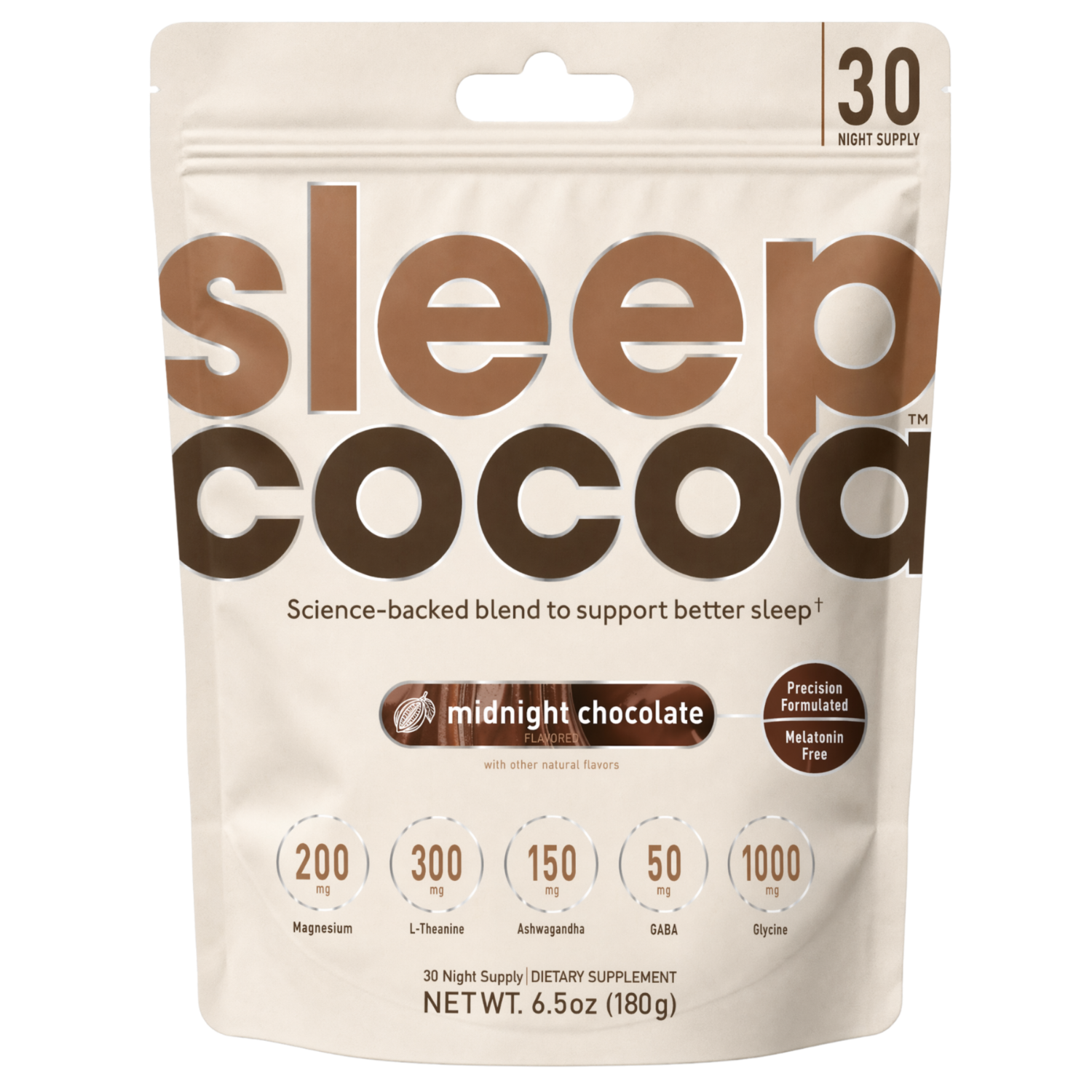
SleepCocoa makes a cocoa drink for your evening routine. Our team wrote this article, and we mention our product.
TL;DR: If you keep waking up groggy, start with the evening: a consistent bed and wake time, a short wind-down ritual you repeat, and less bright light and screen time before bed. If you have questions about melatonin or anything else you take at night, talk to your doctor or pharmacist.
Melatonin basics, and why your mornings matter
Melatonin is a hormone your brain makes in response to darkness. It helps with the timing of your circadian rhythms and with sleep, and light at night can block its production, according to NCCIH.
If you wake up heavy-headed, slow, or foggy, you are not alone. That morning feeling is worth mentioning to your doctor or pharmacist, especially if you take any supplement or medication at night, and it is also a good reason to look at your evening habits.
Evening habits to look at when you wake up groggy
Most evening approaches fall into two buckets. One bucket focuses on winding down at night. The other focuses on making your bedtime routine more consistent so your brain gets the same wind-down cues each evening.
A warm drink can fit both: it is a pause in the evening and a cue you can repeat, one that tells you, in effect, that you are done for the day.
Option 1: Know the ingredients you see on evening drink labels
If your goal is less mental buzz at bedtime, you will notice certain ingredients on a lot of evening drink labels, including magnesium glycinate, ashwagandha, glycine, and L-theanine.
Magnesium plays a role in regulating muscle and nerve function, according to the NIH Office of Dietary Supplements; that general role is not evidence that a drink will change your sleep or your mornings. Read the amount of each ingredient on the label, and talk to your doctor or pharmacist if you take medication.
Option 2: A nightly hot drink as a repeatable bedtime ritual
The ritual itself deserves attention: the American Academy of Sleep Medicine lists a relaxing bedtime routine among its healthy sleep habits. A warm drink takes a few minutes to make, it gets you out of scrolling, and it gives you a clean transition into brushing teeth and lights out.
If you try this, mix it like hot cocoa, then make it the last task of the day.
Option 3: Products you can evaluate with clear quality signals
When people look for a new evening product, what they often want is something that feels predictable. That is where basics like clear labeling and third-party testing help you choose.
Third-party testing does not replace medical advice, and it is not proof that a product affects sleep, but it is a practical filter when you are trying to reduce the guesswork.
A practical way to plan your evening
Many articles list a dozen ingredients and call it a day. That does not help much when your real issue is how you feel in the morning.
Use this filter instead. Start with how you want to feel at 7 a.m., then work backward to what you do at 9-10 p.m.
- If mornings are the problem: keep the same wake time every day, weekends included, and limit bright light in the evening, both from the AASM healthy sleep habits.
- If your mind races: build a relaxing wind-down routine and turn devices off at least 30 minutes before bed.
- If you struggle with consistency: pick a format that makes the habit easier, like a nightly hot cocoa ritual.
- If you are cautious about new products: look for third-party tested bedtime cocoa products, and ask your doctor or pharmacist before using more than one new product at a time.
Why the format matters more than people think
Here is a contrarian take: sometimes the problem is not which ingredients you chose. It is that the routine is fragile.
A pill is easy to forget, easy to take at a different time each night, and easy to pair with late-night work. A hot drink is slower, and that is the point. A warm drink can be part of how you downshift before you get into bed, not after.
Quick comparison of common evening options
This table does not rank anything. It describes what people often consider when they want a different feel in the morning.
| Option | What people like about it | What to watch for | May fit if... |
|---|---|---|---|
| Cocoa-based evening drink mixes | Warm, ritual-friendly format | Read the full label; cocoa naturally contains small amounts of caffeine; ask your doctor or pharmacist if you take medication | You like a warm drink as part of your wind-down |
| Capsules or gummies | Simple to take; easy to travel with | Easier to forget, which makes a routine harder to keep | You want the smallest possible routine change |
| Bedtime tea | Warm, comforting, no supplement vibe | Strength and ingredients vary by tea | You want a simple wind-down cue and you like warm drinks |
| Routine-only approach | No new products; you can start tonight | Takes a few weeks of consistency to judge | Your main problem is inconsistent bedtime habits |
Where to start if you wake up groggy
Start simple for one week. One change at a time makes it easier to tell what is making a difference and avoids the changed-five-things-and-now-I-feel-weird problem.
- Pick a consistent cut-off time for work and screens.
- Notice your pattern, for example a racing mind, frequent wake-ups, or trouble falling asleep, and write it down so you can talk it through with a healthcare provider if it keeps going.
- Build a 10-minute bedtime ritual you can repeat, even on nights you are tired.
If a warm routine helps you stick to it, a mug of cocoa or tea can be the anchor. If you want to think through what is keeping you awake, see what keeps you awake, and evening options to consider.
How to try something new with fewer surprises
The worry is real: nobody wants to trade a rough night for a strange next day. A conservative approach makes sense.
Change one thing at a time, and ask your doctor or pharmacist before using more than one new supplement. If you take any medication, are pregnant or nursing, or have a medical condition, talk to your doctor or pharmacist before adding any sleep supplement.
FAQ
I feel groggy the next morning after taking melatonin. What should I do?
Talk to your doctor or pharmacist about how you feel in the morning; they can look at what you take and when. For background, melatonin is a hormone your brain makes in response to darkness, and it helps with the timing of your circadian rhythms and with sleep, according to NCCIH. The habits side is something you can work on either way: keep your bed and wake time steady for a week and change only one variable at a time.
What should I look for in an evening drink if I hate morning fog?
Read the supplement facts panel to see whether a product adds melatonin and how much of each ingredient it contains, and talk to your doctor or pharmacist if you take medication. A practical next step is to have it at a consistent time within your nightly routine so you can judge your mornings fairly.
Is a warm drink before bed actually helpful, or is it just comfort?
A warm drink can be both comfort and a behavioral cue, and a relaxing bedtime routine is one of the healthy sleep habits the American Academy of Sleep Medicine lists. The act of making it creates a pause between daytime stress and sleep. If you want ideas that keep the ritual simple, see comforting hot drinks before bed.
How do I try a new sleep supplement with fewer surprises?
Talk to your doctor or pharmacist first, and avoid making several changes at once, because it becomes impossible to tell what caused what. For a careful trial, introduce only one new product, keep caffeine and alcohol consistent, and track wake-ups and how you feel in the morning in a notes app.
What if I take medications and I am worried about interactions?
Interaction concerns are valid, because any supplement can be the wrong fit for a specific medication or condition. Talk to your doctor or pharmacist before adding any sleep supplement. Bring the product label and your current medication list so the conversation stays concrete.
What is the difference between regular hot cocoa and a bedtime cocoa mix?
The difference is the intent and the formula, not just the flavor. Regular hot cocoa is generally just a comforting drink, while a bedtime cocoa mix adds supplement ingredients; read the supplement facts panel to see what each one contains and whether it adds melatonin. If you are comparing options side by side, use regular hot cocoa compared with other bedtime cocoa types as a guide.
How long should I test a new evening routine before deciding?
One night is rarely enough to judge a bedtime routine change, especially if stress and schedule vary. Give it a few normal weeks, not just a perfect week. Pick one simple thing to track, such as how often you wake up or how you feel in the first hour after waking, and track it consistently. If trouble sleeping keeps going, the CDC suggests talking to a healthcare provider.
Your next step for easier mornings
If you keep waking up groggy, approach the next step like a reset, not a bigger push. Build one repeatable bedtime ritual, keep a consistent wake time, and give yourself enough nights to judge the mornings. If you have questions about melatonin or anything else you take at night, talk to your doctor or pharmacist.
If you are comparing drink options, this walkthrough may help: a calm bedtime drink ritual. For the quick comparison between regular cocoa and other bedtime cocoa types, see regular hot cocoa vs bedtime cocoa types.
*These statements have not been evaluated by the Food and Drug Administration. This product is not intended to diagnose, treat, cure, or prevent any disease. Research cited describes individual ingredients, not SleepCocoa as a finished product, which has not been clinically tested. Talk to your doctor or pharmacist before use if you are pregnant, nursing, under 18, have a medical condition, or take any medication. Do not drive or operate machinery until you know how SleepCocoa affects you.