Evening routine options to consider when mornings feel groggy
Slow to wind down and foggy in the morning? An unranked look at evening routine options, label ingredients, and when to talk to your doctor or pharmacist.
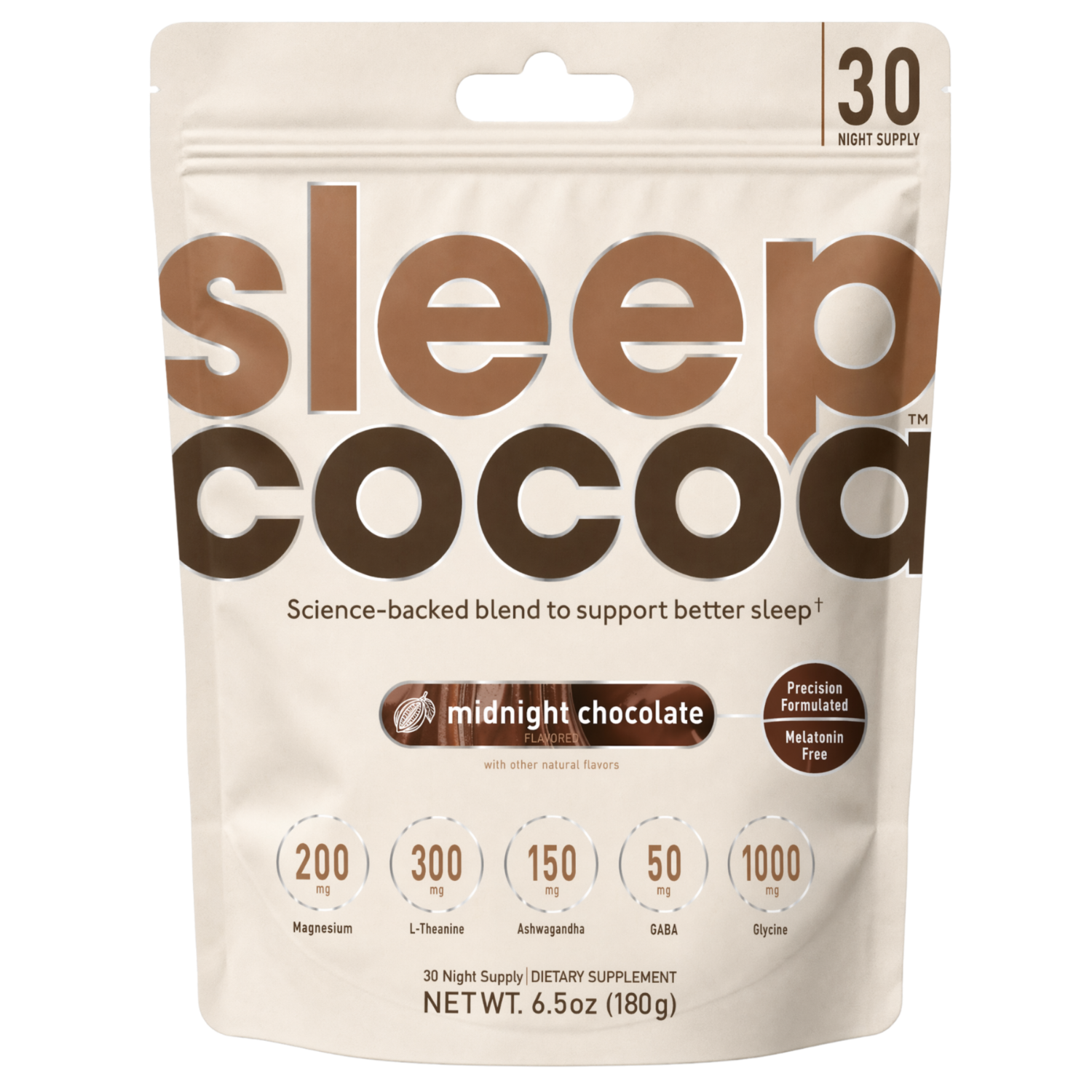
SleepCocoa makes a cocoa drink for your evening routine. Our team wrote this article, and we mention our product.
TL;DR: If nights feel slow to start and mornings feel foggy, begin with a consistent, relaxation-first evening routine, which the American Academy of Sleep Medicine lists among its healthy sleep habits. This guide sorts common evening options, from routine changes to ingredients you will see on labels, and flags when to talk to your doctor or pharmacist.
What to consider when nights feel slow to start and mornings feel foggy
Most people who say they need help falling asleep quickly are really dealing with one of two problems: a wired mind at bedtime, or a body that never fully downshifts. Knowing which one sounds like you makes it easier to decide what to change in your evening routine.
This list groups common evening options by whether people usually reach for them for sleep-onset (falling asleep) or sleep-maintenance (staying asleep). It describes general categories rather than specific brands, in no particular order.
Common evening options, in no particular order
1) Melatonin, a hormone tied to sleep timing
Melatonin comes up when the main issue is timing, like travel, late-night screens, or a bedtime that keeps drifting later. It is a hormone your brain makes in response to darkness, and it helps with the timing of your circadian rhythms and with sleep, according to NCCIH. NCCIH also notes that light at night can block its production.
Whether melatonin in any form fits you, and how it affects how you feel the next morning, is a question for your doctor or pharmacist.
2) Magnesium glycinate, often chosen when tension feels physical
Magnesium glycinate is a common first buy for people who feel tense at night or get restless when they finally lie down. It is often chosen for sleep-onset when the problem feels more physical than mental.
Magnesium plays a role in regulating muscle and nerve function in the body, according to the NIH Office of Dietary Supplements; that general role is not evidence that a supplement will change your sleep. One practical detail: a consistent bedtime routine is one of the basic healthy sleep habits, so whatever you try belongs in a nightly ritual instead of a one-off rescue. If you are comparing formats, read magnesium glycinate for sleep.
3) Glycine, an amino acid found in some bedtime formulas
Glycine is an amino acid that shows up in some bedtime formulas. People who want to fall asleep more easily without feeling knocked out often look at it on labels.
If you are considering it, check the label for the amount, and talk to your doctor or pharmacist if you take medication.
4) L-theanine, often chosen for racing thoughts and a busy mind
L-theanine is an amino acid people often look at for the my-brain-will-not-stop version of bedtime. It shows up on many labels for products marketed for relaxation, for nights when you feel mentally alert even though you are tired.
If you want to compare single ingredients with a combination, see Magnesium Plus Theanine Sleep.
5) Ashwagandha, often included in products marketed for stress
Ashwagandha is a plant extract people often look at when their sleep troubles track with everyday stress, the tired-but-still-on feeling at bedtime.
Because it can be a poor fit for some people depending on their health history, this is a good place to slow down: check the label for the amount and form, and talk to your doctor or pharmacist if you take medication.
6) White noise machine, a non-supplement option for a noisy home
If your main issue is waking up from small sounds, a white noise machine is one non-supplement tool people use to mask noise from a partner, pets, or the street.
It fits the bedroom side of healthy sleep habits: the CDC suggests keeping your bedroom quiet, relaxing, and cool.
7) Weighted blanket, for comfort-based resettling
Some people like a weighted blanket when they crave a settled feeling in their body, especially if they tend to toss and turn or wake up and struggle to resettle.
It does not involve taking anything. If you like a strong cue that it is time for bed, pair the blanket with a consistent wind-down ritual, such as a warm drink.
Sleep-onset vs sleep-maintenance, know which one you are working on
Before you change anything, figure out whether your main trouble is falling asleep or waking up during the night. The CDC lists both trouble falling asleep and repeatedly waking during the night as signs of poor sleep quality, and it helps to know which one you are working on before you add anything to your routine.
| Option | Why people consider it | What to check | Notes |
|---|---|---|---|
| Melatonin | Questions about sleep timing | Talk to your doctor or pharmacist before use | A hormone your brain makes in response to darkness (NCCIH). |
| Magnesium glycinate | Physical tension at night | Forms and amounts vary by product; read the label | Usually part of a consistent routine. |
| White noise machine | Staying asleep in noisy environments | Volume and sound type you find comfortable | Supports a quiet bedroom. |
| Weighted blanket | Comfort, resettling after wake-ups | Weight and warmth | A tactile cue for bedtime. |
A practical way to pick based on your biggest problem
If your mind races, start with a routine that signals it is time to power down: dim lights, devices off at least 30 minutes before bed, and a relaxing bedtime routine, as the AASM suggests. If you want help building a warm-drink ritual, read Bedtime Cocoa Vs Hot Cocoa.
If you fall asleep fine but wake up at 2:00 a.m., look at the bedroom first. A maintenance tool like white noise or a weighted blanket, paired with a consistent bedtime ritual, fits that side of the problem. If you use anything for sleep and feel worse in the morning, talk to your doctor or pharmacist.
Medications and interactions, what to do before you try anything new
If you have questions about how a new product could affect you or interact with what you take, do not guess. Bring the ingredient list to your doctor or pharmacist and ask a direct question about your specific medications and health conditions.
That check matters for any supplement, especially if you are pregnant, nursing, have a health condition, or take any medication. If you want a checklist for evaluating testing and labels, see how to choose a third-party tested sleep drink.
Related guides that go deeper on the most common choices
- Magnesium Vs Melatonin Sleep
- Magnesium Plus Theanine Sleep Vs Alone
- Does Hot Chocolate Help You Sleep
- What Drink Bed Staying Asleep
FAQ
What can I take at night to help me fall asleep faster without feeling groggy the next day?
Start with the routine before you add anything. The AASM suggests a consistent sleep schedule, going to bed only when sleepy, a relaxing bedtime routine, and devices off 30 minutes before bed. If you are considering a supplement, read the label, try one change at a time, and check the ingredient list with your doctor or pharmacist if you take medication.
Is melatonin better for falling asleep fast than magnesium glycinate?
This question comes up because melatonin and magnesium glycinate are different things. Melatonin is a hormone your brain makes in response to darkness that helps with the timing of your circadian rhythms (NCCIH), while magnesium is a mineral that plays a role in muscle and nerve function (NIH Office of Dietary Supplements). Which, if either, fits you is a question for your doctor or pharmacist.
If I only pick one product for falling asleep and one for staying asleep, what should I choose?
Start by working out which problem is bigger for you, then change one thing at a time so you can tell what makes a difference. For falling asleep, many people start with the routine itself: a set wind-down time, dim lights, and a warm drink or another quiet cue. For staying asleep, look at the bedroom: a white noise machine if sound wakes you up, or a weighted blanket if your wake-ups feel more like tossing and turning. Ask your doctor or pharmacist before using more than one supplement.
How should I try a new sleep supplement if I take medications?
Medication interactions are a real concern, especially when you are tired and tempted to experiment. Ask your doctor or pharmacist to go over the exact ingredient list of what you plan to take, including any sleep drink or capsule, before you start. Bring the label and a list of everything else you take.
Your simplest plan for the next 7 nights
Pick one evening routine change you can repeat every night, then give it a fair test. For many people, that looks like a consistent wind-down ritual: the same bedtime, dim lights, and a warm drink or another quiet cue. If you are still deciding what that could look like, read about a calm bedtime drink ritual.
If you still wake up often, add one maintenance tool that matches your real problem, white noise for sound, or a weighted blanket for restlessness. Keep the rest the same so you can tell what is actually making a difference. If trouble sleeping keeps going, the CDC suggests talking to a healthcare provider.
*These statements have not been evaluated by the Food and Drug Administration. This product is not intended to diagnose, treat, cure, or prevent any disease. Research cited describes individual ingredients, not SleepCocoa as a finished product, which has not been clinically tested. Talk to your doctor or pharmacist before use if you are pregnant, nursing, under 18, have a medical condition, or take any medication. Do not drive or operate machinery until you know how SleepCocoa affects you.