Evening habits to try if you fall asleep fine but keep waking up
Fall asleep easily but wake up at 2-4 a.m.? Common waking patterns, evening habits from the CDC and AASM, and a simple two-week plan.
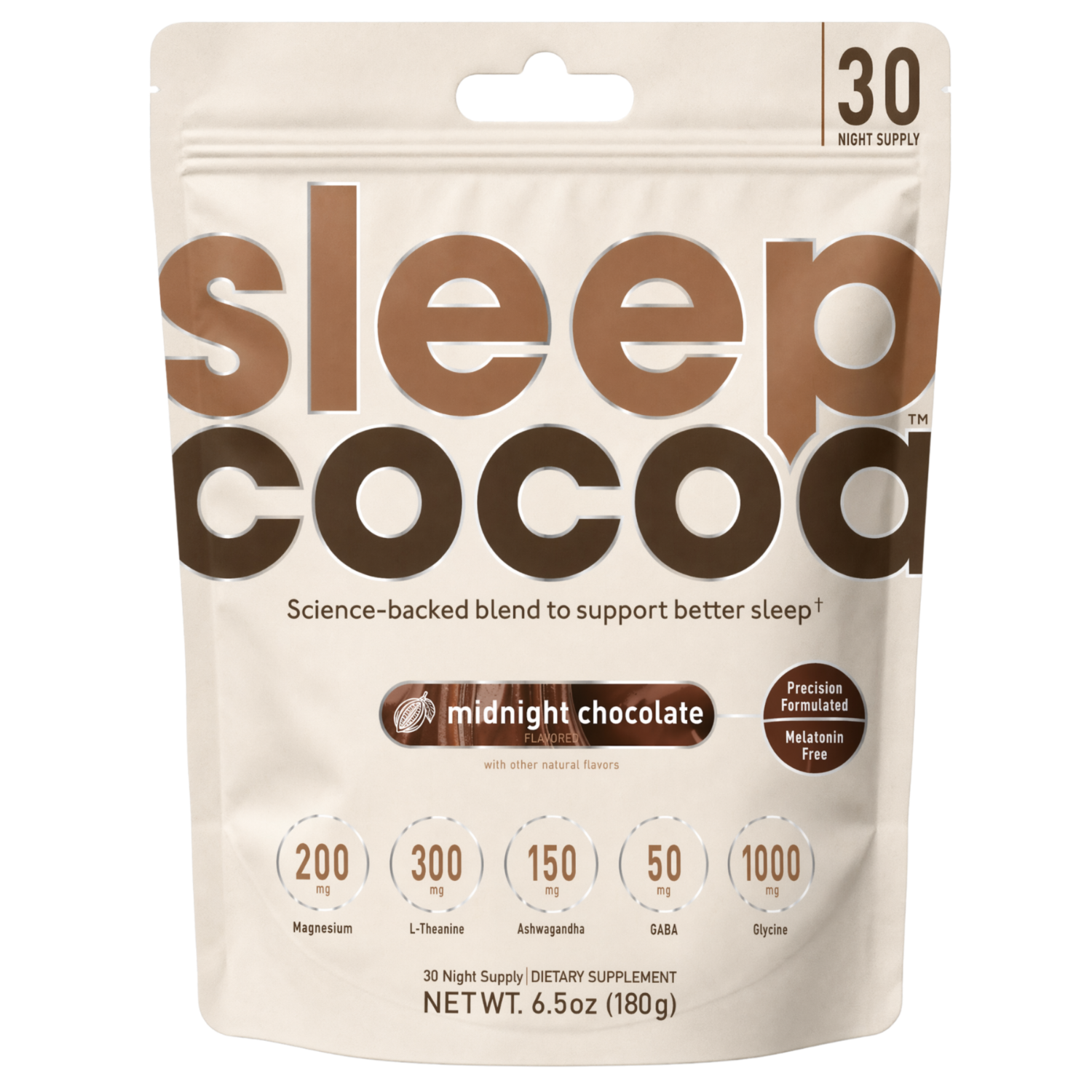
SleepCocoa makes a cocoa drink for your evening routine. Our team wrote this article, and we mention our product.
TL;DR: If you fall asleep easily but keep waking up, look at your evening routine and bedroom as a whole. The habits below come from the CDC and the American Academy of Sleep Medicine: a steady schedule, a quiet, cool, dim bedroom, and a relaxing wind-down you repeat every night. Whether any supplement fits you is a question for your doctor or pharmacist.
When falling asleep is not the problem
If you can drift off but wake later, your issue is staying asleep rather than falling asleep. The CDC lists repeatedly waking during the night as one sign of poor sleep quality.
Melatonin is a hormone your brain makes in response to darkness, and it helps with the timing of your circadian rhythms and with sleep, according to NCCIH; light at night can block its production. That is one reason the evening basics, like dim light and devices off before bed, matter.
What middle-of-the-night waking often looks like
People describe this in a few repeat patterns, and noticing which one fits you makes it easier to talk about with a healthcare provider.
- You wake up wired (mind on, body tense) and it is hard to shut off again.
- You wake up and feel restless, like your body cannot settle.
- You wake up frequently, then doze, then wake again.
- You wake up too early and cannot get back to sleep, even though you feel tired.
If the wired version sounds familiar, this companion guide may help you pinpoint the pattern: waking up at night feeling wired.
What to change in your evening if you keep waking up
The practical goal is simple: a calmer, more consistent wind-down, and a bedroom that makes it easier to settle again if you wake.
The CDC suggests keeping the same bed and wake time every day; keeping the bedroom quiet, relaxing, and cool; turning electronic devices off at least 30 minutes before bed; avoiding large meals and alcohol before bedtime; and avoiding caffeine in the afternoon or evening.
The American Academy of Sleep Medicine adds a relaxing bedtime routine and, if you are not asleep after about 20 minutes, getting up for a quiet, low-light activity without electronics.
Why the next morning matters too
How you feel in the morning is part of the picture. Keep a quick note of how you feel in the first hour after waking, alongside how often you woke.
If you feel off after anything you take in the evening, talk to your doctor or pharmacist and bring the label.
A comparison that actually helps you choose
Most articles lump every option into one list. That is not useful if you fall asleep fine and your issue is staying asleep. This table is built around that scenario, in no particular order.
| Option | Who it may fit | Why people consider it | What to watch |
|---|---|---|---|
| Routine and bedroom changes | Anyone who wakes during the night | Same bed and wake time, a quiet, cool bedroom, and devices off 30 minutes before bed are CDC sleep habits | Needs to be repeated nightly |
| A warm-drink evening ritual | People who want a consistent wind-down cue | The AASM lists a relaxing bedtime routine among its healthy sleep habits | Check labels for added ingredients; cocoa naturally contains small amounts of caffeine |
| Melatonin | People with questions about sleep timing | A hormone that helps with the timing of circadian rhythms and with sleep (NCCIH) | Talk to your doctor or pharmacist before use |
| General relaxation supplements | People who wake with stress, tension, or racing thoughts | Marketed for relaxation rather than sleep timing | Ingredients and amounts vary; read the label and talk to your doctor or pharmacist |
If your top concern is staying asleep and how you feel the next morning, this guide stays focused on that: staying asleep and feeling groggy in the morning.
Think of staying asleep as a bedtime ritual question
People often think of sleep as a single moment: did I fall asleep? But your evening routine sets the stage for the whole night, and the AASM lists a relaxing bedtime routine among its healthy sleep habits.
A consistent cue, such as a warm drink at the same time with the same few steps, can make it easier to stop scrolling, stop problem-solving, and downshift.
A ritual does not replace good sleep basics, but it can help you stick with them.
Where to start if you keep waking up
Start simple for 7-10 nights so you can tell what is making a difference. If you change five things at once, you will not know what helped.
- Pick one change and keep it consistent, for example the same bedtime and wake time every day.
- Set a buffer before bed with no problem-solving. If you wake at night, your brain often tries to finish what it started at 10 p.m.
- Make the room boring if you wake up. Dim light, no clock checking, no phone. Give yourself fewer inputs.
Medications and new supplements: talk to your doctor or pharmacist
If you are unsure about trying a new supplement, that is reasonable. How any product fits you depends on your health and your personal medication list.
If you take medication or manage a health condition, bring the ingredient list to your doctor or pharmacist before adding any sleep supplement. If quality control is a concern, third-party testing is one detail you can look for; to understand what it means in practice, read what third-party testing means for a bedtime cocoa.
FAQ
I fall asleep but wake up during the night. What can I change in my evening?
Start with the basics the CDC lists: the same bed and wake time every day, a quiet, relaxing, cool bedroom, devices off at least 30 minutes before bed, and no large meals or alcohol before bedtime. Keep the routine consistent for at least a week so you can see a pattern, and if waking keeps happening, talk to a healthcare provider.
Why do I wake up at night feeling wired even though I am tired?
An article cannot tell you the cause for you, and if it keeps happening, talk to a healthcare provider. For nights when falling asleep is the problem, the American Academy of Sleep Medicine suggests that if you are not asleep after about 20 minutes, you get up and do a quiet, low-light activity without electronics.
Is melatonin good for staying asleep or mostly for falling asleep?
Melatonin is a hormone your brain makes in response to darkness, and it helps with the timing of your circadian rhythms and with sleep, according to NCCIH. Whether melatonin fits your situation is a question for your doctor or pharmacist.
How long should I try a new evening routine before deciding whether it fits?
One rough night can cloud what you would notice with consistency. Give any change at least a week or two, keep your bedtime and wake time as steady as you can, and keep notes so you can read the pattern clearly.
What if I feel groggy in the morning?
Many things can affect how you feel in the morning, including how much you slept and what you had in the evening. Keep the same wake time every day, and if you feel groggy after anything you take in the evening, talk to your doctor or pharmacist and bring the label. If you are deciding between warm-drink formats, this guide to hot cocoa with no added melatonin breaks down what tends to fit different situations.
What if I am on other medications, can I still try a sleep supplement?
Talk to your doctor or pharmacist before adding any supplement if you take medication. Interactions depend on your medication list, dose, and health history, so bring the full ingredient panel of any product you are considering to that conversation.
What is a simple bedtime ritual if I keep waking at night?
The ritual is often the part people skip, and consistency comes from repeating it. Make one warm cup your nightly cue, then keep lights low and avoid screens as you finish it. If you want a more structured routine, use this guide: bedtime cocoa ritual. If you wake later, keep the room quiet and dim instead of searching your phone for answers.
A practical plan for the next two weeks
Pick one change and run it like a clean test. Tie it to the same short sequence each night, such as a warm drink, dim lights, and a consistent bedtime. If you want to learn about one common evening ingredient, this guide to magnesium amounts at night can help you set expectations.
Then track only two things: how many times you woke up, and how you felt in the first hour after waking. After two weeks, you will have real notes to look at, and to bring to a healthcare provider if waking keeps happening.
*These statements have not been evaluated by the Food and Drug Administration. This product is not intended to diagnose, treat, cure, or prevent any disease. Research cited describes individual ingredients, not SleepCocoa as a finished product, which has not been clinically tested. Talk to your doctor or pharmacist before use if you are pregnant, nursing, under 18, have a medical condition, or take any medication. Do not drive or operate machinery until you know how SleepCocoa affects you.