Bedtime cocoa and waking up in the night: how it compares with other evening drinks
Waking at night? How regular hot cocoa, bedtime cocoa blends, and chamomile tea compare, plus caffeine, timing, and liquid tips for the evening.
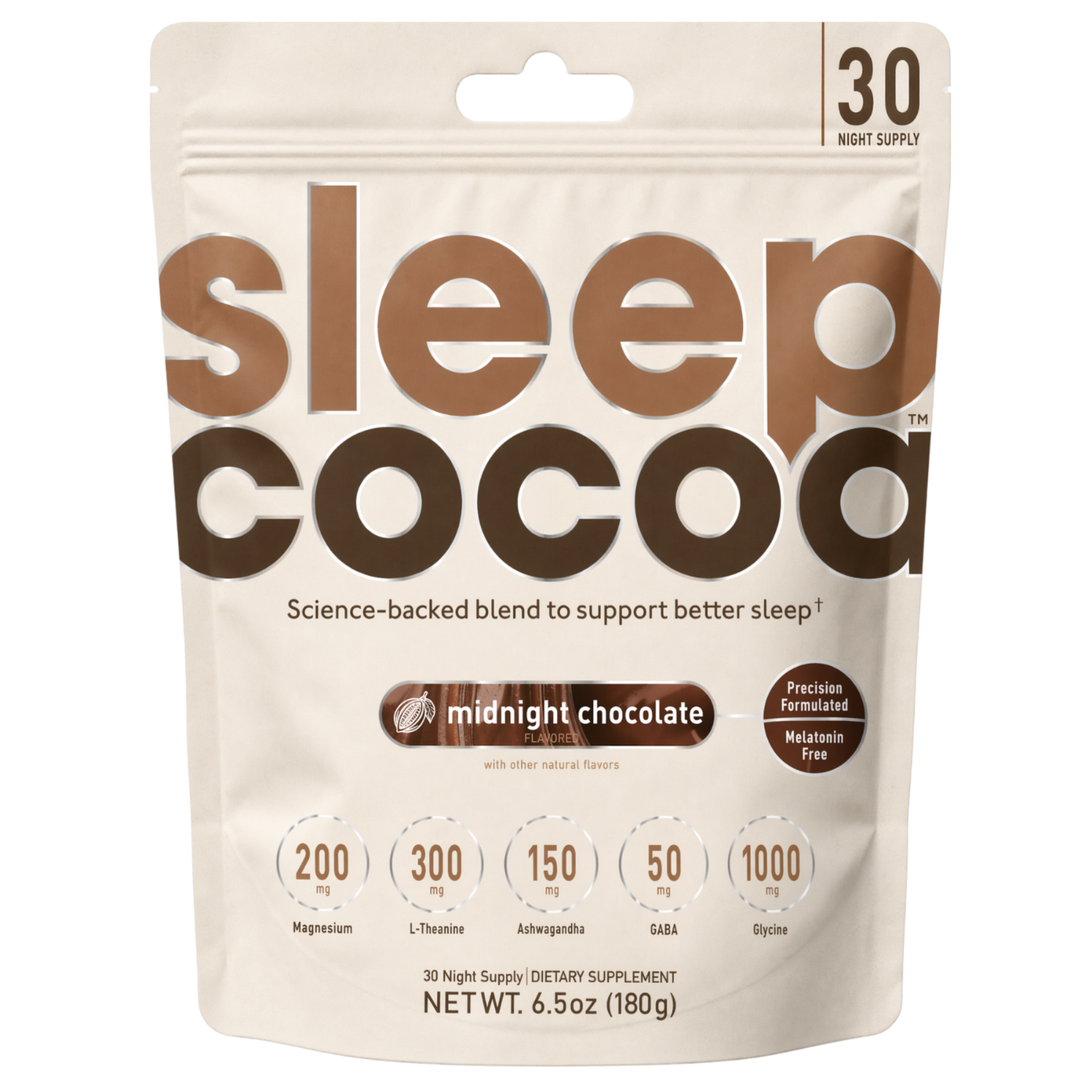
SleepCocoa makes a cocoa drink for your evening routine. Our team wrote this article, and we mention our product.
TL;DR: If you wake up in the night and feel wired, a warm bedtime drink can be part of a wind-down routine, but it cannot address everything that wakes you. Cocoa naturally contains some caffeine and theobromine, so if caffeine or nighttime bathroom trips are your main issue, a non-cocoa option like chamomile tea, or adjusting timing and liquids, may suit you better.
Quick comparison for waking up at night
| Option | What it is | How people use it | Tradeoffs to know | May fit if you... |
|---|---|---|---|---|
| Regular hot cocoa or instant cocoa mix (store brands and cafe-style) | Cocoa drink made for flavor and convenience | Comfort and warmth as part of a wind-down | May include added sugar, and cocoa naturally contains caffeine and theobromine; the CDC suggests avoiding caffeine in the afternoon or evening | Mostly want a comforting warm drink and you do not tend to wake up wired at 2 a.m. |
| Bedtime cocoa blends marketed for sleep | Mixes that add other ingredients to cocoa, sold for evenings | Often positioned as part of a bedtime routine | Formulas vary a lot. Some add melatonin, so read the Supplement Facts panel. Still cocoa-based, so they contain some caffeine and theobromine | Want a cocoa ritual and are willing to read labels closely for melatonin and other add-ons |
| Chamomile tea | Herbal tea, not a cocoa drink | Low-stakes wind-down, especially if caffeine is your concern | It is not a cocoa ritual, and there is little research on chamomile and sleep. It also adds liquid, which can matter if bathroom trips wake you up | Want a simple option without cocoa and you are sensitive to cocoa at night |
| Non-drink options at night | Light, temperature, stress, and wake-up response tools | A plan for when you are already awake | Does not stand in for a bedtime ritual, and takes practice | Wake up alert and need a plan for the 2 a.m. window |
Why you wake up in the night, and what a drink can and cannot fix
Many things can nudge you awake: stress, light, temperature, alcohol, noise, or a full bladder.
A bedtime drink fits into the part you can shape before sleep: a relaxing, consistent bedtime routine, which the American Academy of Sleep Medicine lists among its healthy sleep habits. It cannot address things that happen after you are already asleep, like noise or overheating; for those, the CDC suggests keeping the bedroom quiet, relaxing, and cool.
If you are comparing formulas, this guide to common sleep drink ingredients is a useful reference.
Option 1: Regular hot cocoa and instant mixes
Regular hot cocoa can feel soothing and fits easily into a wind-down routine. Most grocery and cafe-style mixes are made as a dessert drink, with flavor as the goal.
Two things to check are sugar and caffeine. Many mixes add sugar, and cocoa itself contains caffeine and theobromine, even if the product is just cocoa. The CDC suggests avoiding caffeine in the afternoon or evening.
If you want the taste of cocoa but you often wake in the night, pay attention to timing and serving size, and check the label for added sugar and other ingredients.
Option 2: Bedtime cocoa blends marketed for sleep
Many cocoa mixes are marketed for evenings. They can be a reasonable fit if you like a cocoa ritual and you find a formula that matches what you tolerate.
One difference to check is whether a blend adds melatonin; the Supplement Facts panel will tell you. Whether melatonin fits you is a question for your doctor or pharmacist.
Another difference is quality information. Some brands share whether a product is third-party tested, which is a detail you can check, though it does not tell you how a product will affect you.
Where a bedtime cocoa blend may fit
- You do better with rituals than pills. A warm drink you actually look forward to can make it easier to stick with a consistent wind-down. (Related: Hot sleep drink vs capsules.)
- You wake up tired but wired and want a calmer evening routine. (If that is your pattern, see Wake Up Night Feeling Wired.)
Tradeoffs to think about
Bedtime cocoa blends are still cocoa-based. Cocoa naturally contains caffeine and theobromine, and sensitivity varies person to person. If you already know even small amounts of caffeine keep you up, you may want a non-cocoa option, or move your cocoa earlier in the evening.
If bathroom trips wake you up, any warm drink can backfire if you drink it too late or in a large volume. The practical steps are simple: keep the serving size steady, drink it earlier, and drink less as you get closer to lights out. The AASM lists reducing fluids before bed among its healthy sleep habits.
Option 3: Chamomile tea when you want to avoid caffeine
If cocoa's caffeine makes you tense before bed, chamomile tea is a simpler lane. It is an herbal tea, and chamomile in the amounts found in teas is commonly consumed as a beverage, according to NCCIH.
Chamomile is not a cocoa ritual, but it can be a calm, low-commitment choice. There is little research on chamomile and sleep, according to NCCIH, so think of it as one part of your routine.
Option 4: What to do at 2 a.m. when you are already awake
If you wake up and cannot fall back asleep, a drink you took at 10 p.m. might not address what is happening now. You need a short plan that does not add stress.
One practical set of strategies is to reduce clock-checking, keep lights dim, and avoid doing anything that tells your brain it is morning. The American Academy of Sleep Medicine also suggests that if you cannot fall asleep after about 20 minutes, you get up and do a quiet, low-light activity without electronics.
If you want a drink option for that window, keep it small and simple. A few sips of warm water or herbal tea can be enough. A full mug can turn into a second wakeup because of bladder pressure.
What about caffeine in cocoa, and where it comes from?
The caffeine is from the cocoa solids themselves, not from instant mix processing. The mix can add other things, like sugar and flavorings, but cocoa naturally comes with caffeine and theobromine.
If you make homemade cocoa with unsweetened cocoa and warm milk, you still have whatever caffeine and theobromine are in that cocoa. For some people, that is fine. For others, it is enough to make staying asleep harder, especially if you already wake up at night.
The most useful way to handle this is not guessing milligrams. It is observing your pattern. If you wake up more often on cocoa nights, move cocoa earlier, reduce serving size, or switch to an herbal tea like chamomile.
Magnesium, L-theanine, and other add-ons when you wake up again
Some people look at bedtime drinks with magnesium or L-theanine. Magnesium plays a role in regulating muscle and nerve function, according to the NIH Office of Dietary Supplements, and L-theanine is an amino acid that shows up often in bedtime formulas. Neither general fact tells you how a particular drink will affect your sleep. (If you are comparing forms, Magnesium Glycinate Vs Citrate For Sleep is a good place to start.)
If you wake up again mid-night, taking anything new at that moment can be unpredictable, and extra liquid can trigger another wakeup. Non-drink tools are a practical plan for the 2 a.m. window; ask your doctor or pharmacist about the timing of any supplement.
If you take medication or have a health condition, talk to your doctor or pharmacist before adding any supplement, because interactions depend on what you already take.
How to compare options without getting stuck
These are the checks that matter most when your problem is waking up in the night and struggling to fall back asleep.
- Melatonin or no added melatonin. Some bedtime drinks add melatonin and some do not. Check the label, and ask your doctor or pharmacist if you have questions about melatonin.
- Caffeine sensitivity. If cocoa keeps you up, do not force it. Choose an herbal tea, or move cocoa earlier.
- Ritual consistency. If you will not take capsules nightly, a hot cocoa bedtime ritual can be easier to stick with.
- Testing. Some brands share whether a product is third-party tested, a quality detail you can check.
- Guarantee terms. If a guarantee matters to you, read which purchase it covers and how to make a claim.
If you want a deeper breakdown of regular hot cocoa versus bedtime cocoa options, see Bedtime Cocoa Vs Hot Cocoa and how regular hot cocoa compares with other bedtime cocoa types.
FAQ
I wake up in the night and cannot fall back asleep, where does a cocoa bedtime drink fit?
This matters because middle-of-the-night wakeups often come with a spike of alertness. A cocoa drink can be part of a relaxing bedtime routine, which the American Academy of Sleep Medicine lists among its healthy sleep habits, but no drink addresses every cause of waking. If your wakeups are mainly caused by noise, heat, or bathroom trips, focus on those triggers too: a quiet, cool bedroom and fewer fluids before bed are both on the AASM list.
When you say cocoa has caffeine, is it from cocoa powder or the instant mix?
This matters if you are sensitive to stimulants and you are trying to stay asleep, not just fall asleep. The caffeine comes from the cocoa solids, so unsweetened cocoa powder and instant cocoa mixes can both contain caffeine and theobromine because they both use cocoa. If you are unsure how you react, try cocoa earlier in the evening, and keep chamomile tea as a backup.
Is SleepCocoa lower caffeine than regular cocoa?
SleepCocoa has no added caffeine, but it is cocoa-based, and cocoa naturally contains small amounts of caffeine and theobromine, so it is not the same as an herbal tea. If caffeine is your top concern, choose chamomile tea, or have any cocoa drink earlier in the evening.
If I wake up again mid-night, should I take magnesium and L-theanine then?
This matters because taking something new at 2 a.m. can be unpredictable, and drinking more can cause another wakeup. Talk to your doctor or pharmacist about whether and when to take any supplement. For the middle of the night itself, non-drink strategies come first, such as keeping lights dim. For trouble falling asleep, the AASM suggests getting up after about 20 minutes for a quiet, low-light activity without electronics.
Will a warm drink make me wake up to pee?
This matters because sometimes the thing waking you up is a full bladder. Any warm drink can increase the chance of a bathroom wakeup if you drink it too close to bed or in a big volume. A practical step is to drink it earlier, keep the serving size consistent, and reduce fluids before bed, which the AASM lists among its healthy sleep habits.
How do I compare bedtime cocoa blends that look similar online?
This matters because many products share the same bedtime cocoa positioning, but the labels differ. Start by checking the Supplement Facts panel for whether melatonin is added, then look at which ingredients are listed and whether the brand shares third-party testing. If a guarantee matters to you, read which purchase it covers and how to make a claim.
I take medications, what should I check before trying a sleep drink?
Talk to your doctor or pharmacist before adding any supplement, because interactions depend on your medication list and your health history, not on general advice. Bring the full ingredient list and ask specifically about your medications and timing.
How to decide based on your kind of wakeup
If you wake up in the night feeling wired, prioritize a relaxing bedtime routine and avoid last-minute liquids.
If your wakeups track with caffeine sensitivity, pick an herbal tea like chamomile, or move cocoa earlier and keep it smaller. If your wakeups track with bladder, light, or heat, solve that first, then consider whether a warm drink fits your wind-down routine.
References
- American Academy of Sleep Medicine, Sleep Education: Healthy Sleep Habits
- CDC: About Sleep
- NCCIH: Chamomile
- NIH Office of Dietary Supplements: Magnesium fact sheet for consumers
*These statements have not been evaluated by the Food and Drug Administration. This product is not intended to diagnose, treat, cure, or prevent any disease. Research cited describes individual ingredients, not SleepCocoa as a finished product, which has not been clinically tested. Talk to your doctor or pharmacist before use if you are pregnant, nursing, under 18, have a medical condition, or take any medication. Do not drive or operate machinery until you know how SleepCocoa affects you.