Is valerian worth trying for sleep if you are a light sleeper?
If a 1:30 a.m. wake-up resets your night, here is what research says about valerian, how it compares with other options, and a simple routine to try.
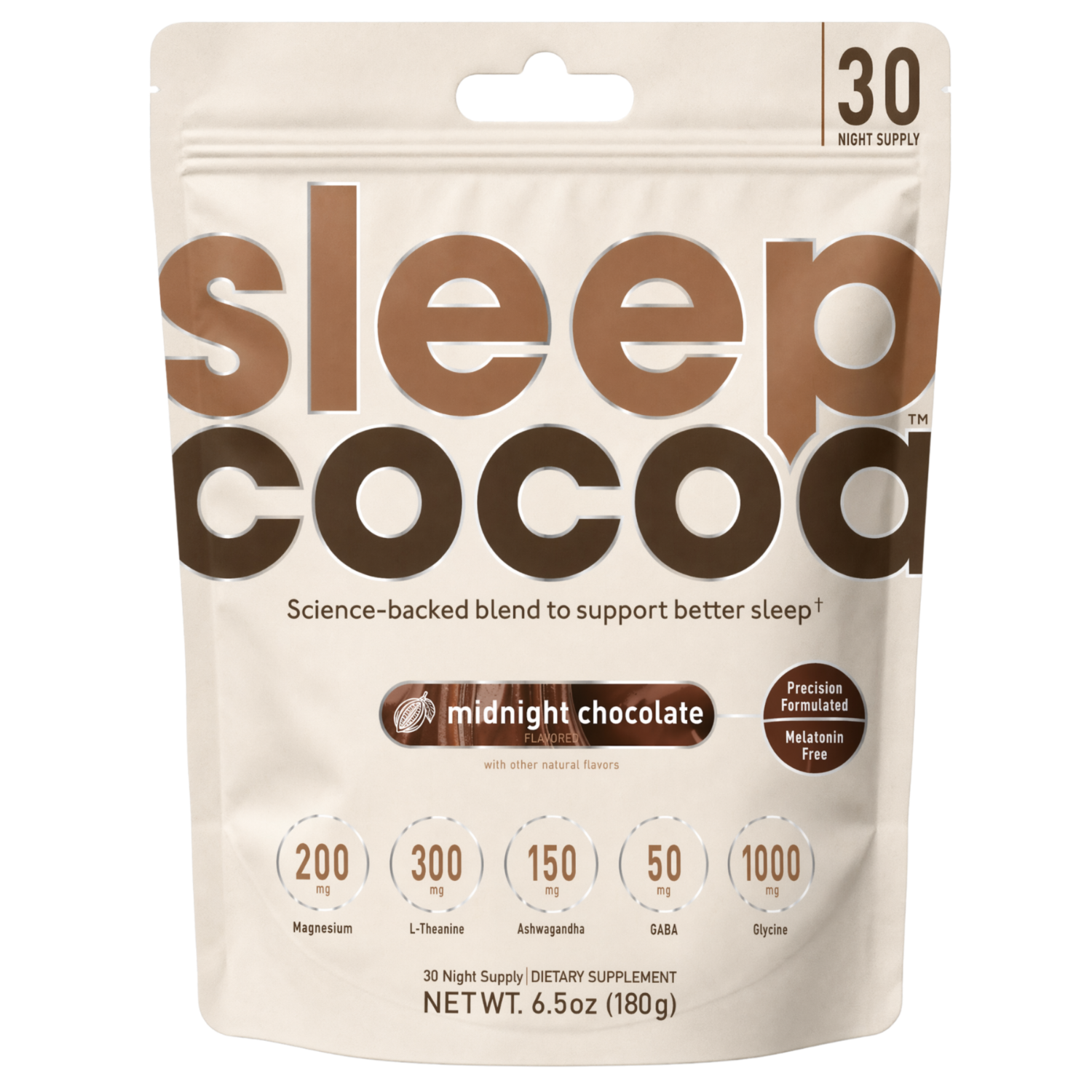
SleepCocoa makes a cocoa drink for your evening routine. Our team wrote this article, and we mention our product.
TL;DR: Valerian is a botanical some light sleepers consider, but research on valerian is limited and the evidence on whether it helps sleep is inconsistent, according to NCCIH. If you take medication or other supplements, talk to your doctor or pharmacist before trying it. A steady bedtime routine is worth building either way.
What light sleepers usually mean when something is not working
If you are a light sleeper, the problem is often not only falling asleep. It is the small wakes: the 1:30 a.m. bathroom trip, the 3:40 a.m. noise, the quick check of the clock that turns into a full reset.
That matters when you judge anything you add to your evening. Be clear about the exact thing you want to change: how long it takes to fall asleep, how often you wake, or how long it takes to fall back asleep after you wake.
What valerian is, and what the research says
Valerian is a botanical that some people take in the evening. Research on valerian is limited, and the evidence on whether it helps sleep is inconsistent, according to NCCIH.
Consistency is also hard to judge. Two valerian products can differ in preparation and amount, and how you feel from night to night also depends on stress, caffeine timing, alcohol, and the rest of your routine.
Should you try valerian?
That is a decision to make with your doctor or pharmacist, especially if you take medication or already use other supplements. Because the evidence is mixed, it helps to be clear about what you want to change and to see any trial as an experiment, not a sure thing.
Valerian vs other common evening options for light sleepers
The useful comparison is less about strength and more about how an option fits your evening and whether it suits what you already take.
| Option | Why people consider it | Common tradeoff | What to ask first |
|---|---|---|---|
| Valerian | A botanical some people take at bedtime | Research is limited and the evidence on sleep is inconsistent (NCCIH) | Talk to your doctor or pharmacist if you take medication or other supplements |
| Magnesium | People who notice physical tension at night; magnesium helps regulate muscle and nerve function (NIH ODS) | Forms and amounts vary by product; read the label | Talk to your doctor or pharmacist if you have a medical condition or take medication |
| L-theanine | People whose thoughts start racing at night | Amounts vary by product; read the label | Ask your doctor or pharmacist before using it with medication or other supplements |
If you want an option that fits a repeatable routine, some people find a warm drink easier to stick with than a capsule. It is easy to tie to a cue, like brushing your teeth, dimming lights, then your mug.
For single-ingredient explainers, see our guides to L-theanine, glycine, and ashwagandha at night.
The part most valerian roundups miss: the product-to-product problem
If you are a light sleeper, small differences between products may matter to you, including how a product is processed, the form, and how you personally react to the smell and taste.
So if you are wondering whether valerian is worth buying, the honest answer is that the research does not give a clear yes or no, and your own response is hard to predict. If you and your doctor or pharmacist decide it is worth trying, stick with one specific product long enough to see a pattern.
How long to try valerian before you judge it
Give it a fair window. It is easy to quit after a night or two, restart, then add other things, and never learn what is doing what.
A simple approach is to keep everything else stable for 2 weeks, then decide. If you change caffeine, alcohol, screens, bedtime, and three supplements at once, you will not get a clean read.
Medications and other supplements: talk to your doctor or pharmacist
Valerian is a botanical, and botanicals can matter for certain medications and health situations. Before adding valerian, bring the product label to your doctor or pharmacist.
- If you take any medication: ask your doctor or pharmacist about valerian specifically before trying it.
- If you already use other evening supplements: ask your doctor or pharmacist before using more than one.
- If you drink alcohol at night: the CDC lists avoiding alcohol before bedtime among habits that can improve sleep.
Whatever you decide, change one thing at a time so you can tell how each change affects you.
What to do if your main goal is staying asleep longer
It is tempting to reach for whatever feels strongest. That can backfire if you end up adding several products at once and cannot tell what is doing what.
A more practical target is fewer full wake-ups. In a bedtime ritual, that usually means you focus on downshifting earlier in the evening, not only at the last minute.
- Change one thing at a time and keep the rest steady for 2 weeks.
- Track two numbers: how long it takes to fall asleep, and how many times you fully wake.
- Make your last 30-60 minutes boring and dim. The American Academy of Sleep Medicine suggests limiting bright light in the evening and turning devices off 30 minutes before bed.
If you want a warm drink as part of that nightly routine, this may be useful: a nightly evening drink routine.
Where to start if you are choosing between valerian and other evening options
If you want the cleanest experiment, start with your problem statement, then match the next step.
| Your main issue | Start here | Why |
|---|---|---|
| I cannot shut my mind off | A consistent, relaxing wind-down routine | The AASM lists a relaxing bedtime routine among its healthy sleep habits |
| I fall asleep but wake a lot | Look at triggers: noise, light, temperature, late meals, alcohol | The CDC suggests a quiet, relaxing, cool bedroom and avoiding large meals and alcohol before bedtime |
| I feel off the next morning | Talk to your doctor or pharmacist and bring the labels of everything you take in the evening | Many things affect how you feel in the morning, including what you take at night |
| I am not sure a new supplement is right for me | Talk to your doctor or pharmacist first | They can look at your medications and health history |
If you are comparing magnesium alone to a multi-ingredient approach, this guide may help you decide what to look at first: magnesium glycinate for sleep. If you want a direct comparison of cocoa options, this walkthrough is handy: how regular hot cocoa compares with other bedtime cocoa types.
FAQ
Is valerian worth buying for light sleepers who wake up easily?
Light sleepers often want help with both winding down and staying asleep. Research on valerian is limited, and the evidence on whether it helps sleep is inconsistent, according to NCCIH, so it is hard to predict how it will fit you. If you are considering it, talk to your doctor or pharmacist first, and keep a steady bedtime routine either way.
Does valerian interact with medications I already take?
Talk to your doctor or pharmacist before trying valerian, especially if you take any medication or other supplements. Bring the full label so they can check it against your specific medications and doses.
Can I take valerian with other products I use in the evening?
That is a question for your doctor or pharmacist, because the answer depends on exactly what you use. Bring the labels of everything you take in the evening. Do not drive or do anything that needs your full attention until you know how a new product affects you.
How do valerian, magnesium, and L-theanine compare if my main goal is falling asleep?
They are different kinds of ingredients. Valerian is a botanical, and research on it is limited and inconsistent. Magnesium is a mineral that helps regulate muscle and nerve function. L-theanine is an amino acid that shows up often in evening products. Forms and amounts vary, so compare labels, and talk to your doctor or pharmacist before trying any of them.
Do different valerian products change interaction risk, or is it basically the same across brands?
People ask this because they want to know what they are taking. Whether valerian suits you depends on your medications and health, so that is a question for your doctor or pharmacist, and products can differ in preparation and amount, so bring the specific label. Third-party testing is one quality detail you can look for on any product.
What is a simple 2-week plan to test whether valerian helps a light sleeper?
A short trial is most useful when you remove noise, because one good night or one bad night can fool you. If you and your doctor or pharmacist decide valerian is worth trying, pick one product, take it the same way each night for 2 weeks, and track how long it takes to fall asleep plus full wake-ups.
A practical shortlist plan for your next 14 nights
If you want to know whether valerian is worth it for you, talk to your doctor or pharmacist, then run a clean test: change one thing, such as valerian or a new warm-drink ritual, and keep the same timing for 14 nights.
At the end, look at your notes, and bring them to your doctor or pharmacist if something made you feel off. For more on building the routine itself, see how to build a bedtime cocoa ritual.
*These statements have not been evaluated by the Food and Drug Administration. This product is not intended to diagnose, treat, cure, or prevent any disease. Research cited describes individual ingredients, not SleepCocoa as a finished product, which has not been clinically tested. Talk to your doctor or pharmacist before use if you are pregnant, nursing, under 18, have a medical condition, or take any medication. Do not drive or operate machinery until you know how SleepCocoa affects you.