What to know if you fall asleep fine but keep waking up during the night
Fall asleep fast but wake at 2 am? A neutral look at evening habits and common options, what to check on a label, and when to talk to a provider.
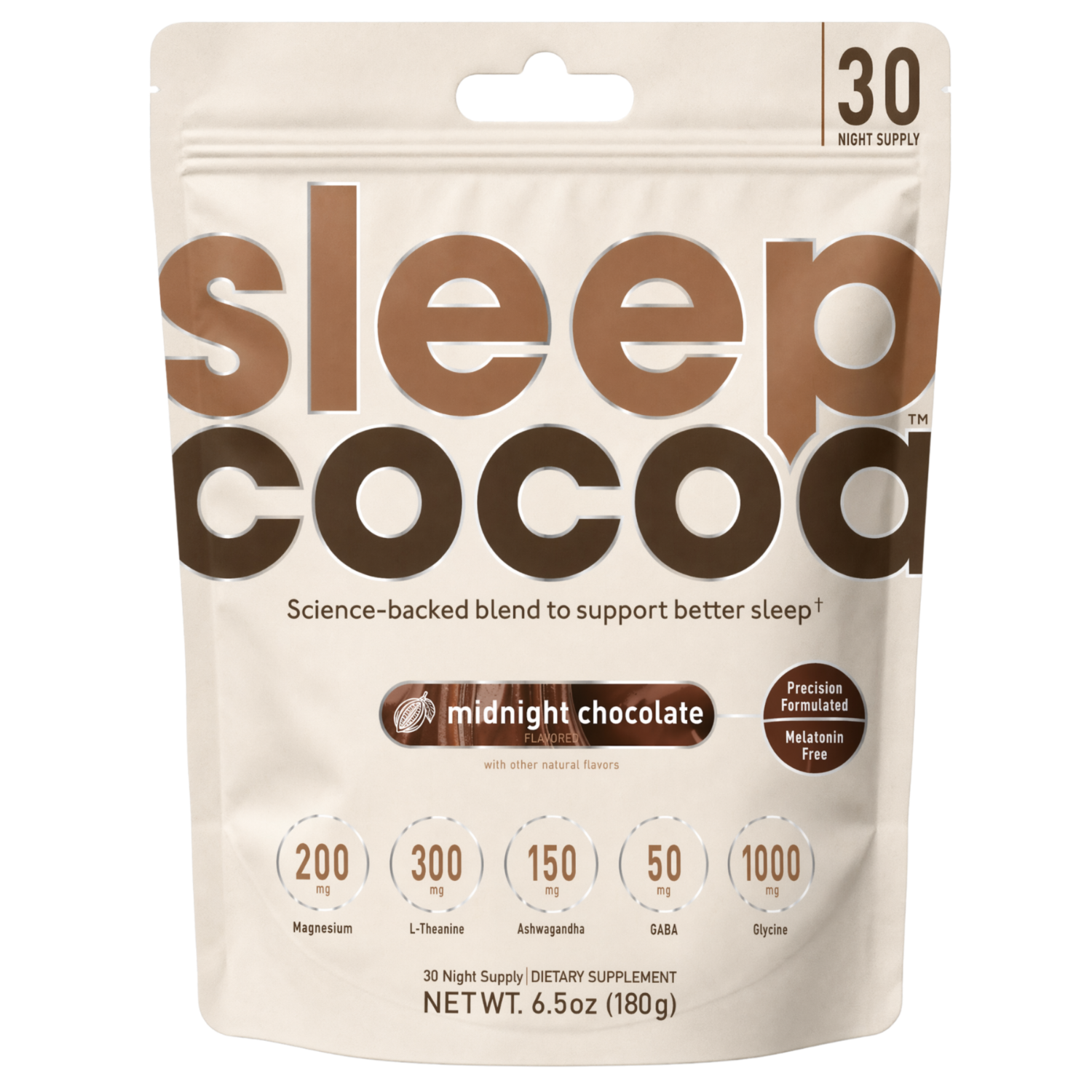
SleepCocoa makes a cocoa drink for your evening routine. Our team wrote this article, and we mention our product.
TL;DR: If you fall asleep fast but wake up at 2 am, start with the habits around your night: a consistent schedule, a quiet and cool bedroom, and fewer fluids, large meals, and alcohol before bed. If you are comparing products, read the label for ingredients, amounts, and whether it adds melatonin, and talk to your doctor or pharmacist if you take medication.
Quick comparison of options people consider for 2 am wake-ups
| Option | May fit if you... | What it is | Tradeoffs to know |
|---|---|---|---|
| Cocoa-based evening drink mixes | Want a nightly warm drink as part of a bedtime ritual. | A warm drink built around an evening routine. Ingredients and amounts vary by product, and some add melatonin while others do not. | You still need consistent timing to judge any routine change. If you are sensitive to any ingredient or take medications, talk to your doctor or pharmacist first. |
| Magnesium glycinate (capsules or powder) | Prefer single-ingredient basics. | A single mineral ingredient. Magnesium plays a role in muscle and nerve function (NIH ODS). | Forms and amounts vary by product, so read the label. It is not a bedtime ritual unless you build one. |
| L-theanine (capsules) | Wake up with racing thoughts and want a calmer evening routine. | An amino acid often found in products marketed for relaxation. | If your waking seems more physical (temperature, bathroom trips, discomfort), look at those causes too. |
| Melatonin (tablets or gummies) | Have questions about sleep timing. | A hormone the brain makes in response to darkness that helps with the timing of circadian rhythms (NCCIH). | Whether it fits you is a question for your doctor or pharmacist. |
| Tart cherry juice | Prefer a food-based approach. | A juice some people add to a consistent bedtime routine. | Liquid volume, sugar content, and timing can be annoying at night; the AASM suggests reducing fluids before bed. |
| Non-supplement option: sound machine | Wake-ups seem noise-triggered and your brain stays alert once disturbed. | Plays steady background sound, which some people use to mask sudden noises. | Does not address evening tension if that is what wakes you. |
Why 2 am wake-ups feel different from trouble falling asleep
It helps to name the problem before you shop. Trouble falling asleep and repeatedly waking during the night are different patterns, and the CDC lists both as signs of poor sleep quality.
If you fall asleep fine but wake up during the night, the goal shifts. You care about how often you wake, how long you stay awake, and the wired but tired feeling that makes it hard to fall back asleep.
If waking during the night keeps happening, the CDC suggests talking to a healthcare provider about ongoing sleep problems.
Option 1: a bedtime hot cocoa ritual
If you are considering a bedtime hot cocoa, start by asking one practical question: will I actually have it every night for long enough to learn how it fits my routine?
A warm drink is an easy bedtime ritual, and the American Academy of Sleep Medicine lists a relaxing bedtime routine among its healthy sleep habits. Consistency also lets you notice patterns instead of guessing night to night.
How a cocoa drink mix differs from a standard magnesium powder
A standard magnesium powder is usually a single ingredient. Cocoa-based evening drink mixes usually combine cocoa with several ingredients, such as magnesium glycinate, ashwagandha, glycine, and L-theanine, and some add melatonin while others do not.
That makes the label worth reading closely. Check which ingredients are listed, their amounts, and whether the product is third-party tested. Third-party testing is a quality check, not evidence that a product works.
How to use a cocoa ritual as a pre-bed anchor
- Have it at the same time nightly, and keep the rest of your routine boring. That makes it easier to spot what changes.
- Follow the label directions, and on a 2 am wake-up night, do not add a second serving. Keep the ritual as a pre-bed anchor, not a middle-of-the-night experiment.
- Keep a simple note each morning: bedtime, wake time, and how many times you fully woke up (not just micro-stirs). Patterns over several weeks tell you more than one night.
If you want more detail on evening habits for night waking, we have a deeper guide here: night waking and evening options.
Option 2: magnesium glycinate
Magnesium glycinate is a common single-ingredient option in the evening. Magnesium plays a role in regulating muscle and nerve function, according to the NIH Office of Dietary Supplements; that general role is not evidence that it will change how often you wake up.
Magnesium products vary in form and amount, so read the label. If you are considering magnesium glycinate alone, talk to your doctor or pharmacist first, and keep everything else constant so you can notice any change.
If you want a deeper breakdown, see magnesium glycinate and sleep.
Option 3: L-theanine when your mind wakes you up
If your pattern is waking up with your brain already running, L-theanine is an ingredient you will see often. It is an amino acid usually discussed in terms of a calmer mental state.
If you are considering L-theanine by itself, check the amount on the label and talk to your doctor or pharmacist if you take medication.
For more on how it is typically used, read the L-theanine sleep guide.
Option 4: melatonin and sleep timing
Melatonin is a hormone your brain makes in response to darkness, and it helps with the timing of your circadian rhythms and with sleep, according to NCCIH. Light at night can block its production.
That makes evening light a practical habit to look at: the American Academy of Sleep Medicine suggests limiting bright light in the evening. Whether a melatonin supplement fits your pattern is a question for your doctor or pharmacist.
Option 5: tart cherry juice as a food-based experiment
Tart cherry juice comes up often in conversations about bedtime drinks. It can be appealing if you want something food-based.
The main tradeoff is practicality. The AASM suggests reducing fluids before bed, and a glass of juice adds volume. The routine can also be harder to keep consistent than a simple scoop-and-stir drink.
If you like the comfort of a warm drink and want to compare cocoa formats, bedtime cocoa vs regular hot cocoa breaks down the differences.
What to check before you add something new
If you take any medication or have a health condition, talk to your doctor or pharmacist before adding a sleep supplement.
Also check whether the product is third-party tested and what that testing covers. Third-party testing does not mean a product works or is right for you.
Finally, be careful about adding several new sleep products at once, and ask your doctor or pharmacist before using more than one. Make one change at a time so you can tell what is different.
FAQ
What should I look for in a bedtime hot cocoa if I wake up during the night?
A bedtime cocoa is a ritual, and research on individual ingredients does not tell you how any particular drink mix will affect your sleep. Read the label for ingredients and amounts and whether it adds melatonin, have it at the same time each night, and keep a simple note of full awakenings. If waking during the night keeps happening, the CDC suggests talking to a healthcare provider.
I fall asleep fast but wake up at 2 am. Where should I start?
Start with the habits around your night before any product: keep the same bed and wake time every day, keep the bedroom quiet, relaxing, and cool, turn devices off at least 30 minutes before bed, and avoid large meals and alcohol before bedtime (CDC). The American Academy of Sleep Medicine also suggests reducing fluids before bed. If you are considering a supplement, talk to your doctor or pharmacist first, and change one thing at a time so you can tell what is different.
What should I know about melatonin if I wake up during the night?
Melatonin is a hormone your brain makes in response to darkness, and it helps with the timing of your circadian rhythms and with sleep, according to NCCIH. Light at night can block its production, which is one reason to keep evening light low. Whether a melatonin supplement fits your situation is a question for your doctor or pharmacist.
What is the difference between magnesium glycinate and L-theanine?
They are different kinds of ingredients. Magnesium is a mineral that plays a role in regulating muscle and nerve function, according to the NIH Office of Dietary Supplements. L-theanine is an amino acid often found in products marketed for relaxation. Some drink mixes contain both; research on each ingredient does not describe what a combination will do. If you are considering either, talk to your doctor or pharmacist.
How do magnesium glycinate and melatonin differ?
Magnesium is a mineral with a role in muscle and nerve function (NIH Office of Dietary Supplements). Melatonin is a hormone the brain makes in response to darkness that helps with the timing of circadian rhythms (NCCIH). Which, if either, fits you is a question for your doctor or pharmacist.
How do I narrow choices if I am worried a supplement will not work for me?
Sleep varies from night to night, and random one-off use makes almost anything look like it did nothing. Make one change at a time, keep a simple note of wakeups over several weeks, and talk to your doctor or pharmacist before adding a supplement. If a product offers a guarantee, read the terms before you buy.
What should I check before buying if I take other medications?
Nighttime supplements contain active ingredients, so talk to your doctor or pharmacist before adding one. As a practical step, bring the full supplement facts panel and your medication list to that conversation.
How to decide based on your wake-up pattern
If your wake-ups come with a busy mind, a quieter wind-down with devices off at least 30 minutes before bed is a practical place to start. If they feel physical, look at bedroom temperature, fluids before bed, and late meals, all on the AASM list of healthy sleep habits.
If you want a warm bedtime drink you will actually use every night, a cocoa-style drink can anchor that routine; check the label to see whether it adds melatonin. If you prefer single-ingredient products, such as magnesium glycinate or L-theanine, talk to your doctor or pharmacist first and try one at a time so you know what changed.
Whichever route you choose, keep notes on full awakenings and how you feel in the morning, and if waking keeps happening, talk to a healthcare provider.
*These statements have not been evaluated by the Food and Drug Administration. This product is not intended to diagnose, treat, cure, or prevent any disease. Research cited describes individual ingredients, not SleepCocoa as a finished product, which has not been clinically tested. Talk to your doctor or pharmacist before use if you are pregnant, nursing, under 18, have a medical condition, or take any medication. Do not drive or operate machinery until you know how SleepCocoa affects you.