Bedtime cocoa vs regular hot cocoa: what is the difference?
Regular hot cocoa brings sugar and natural cocoa caffeine; bedtime cocoa adds supplement ingredients. What differs and what to check on the label.
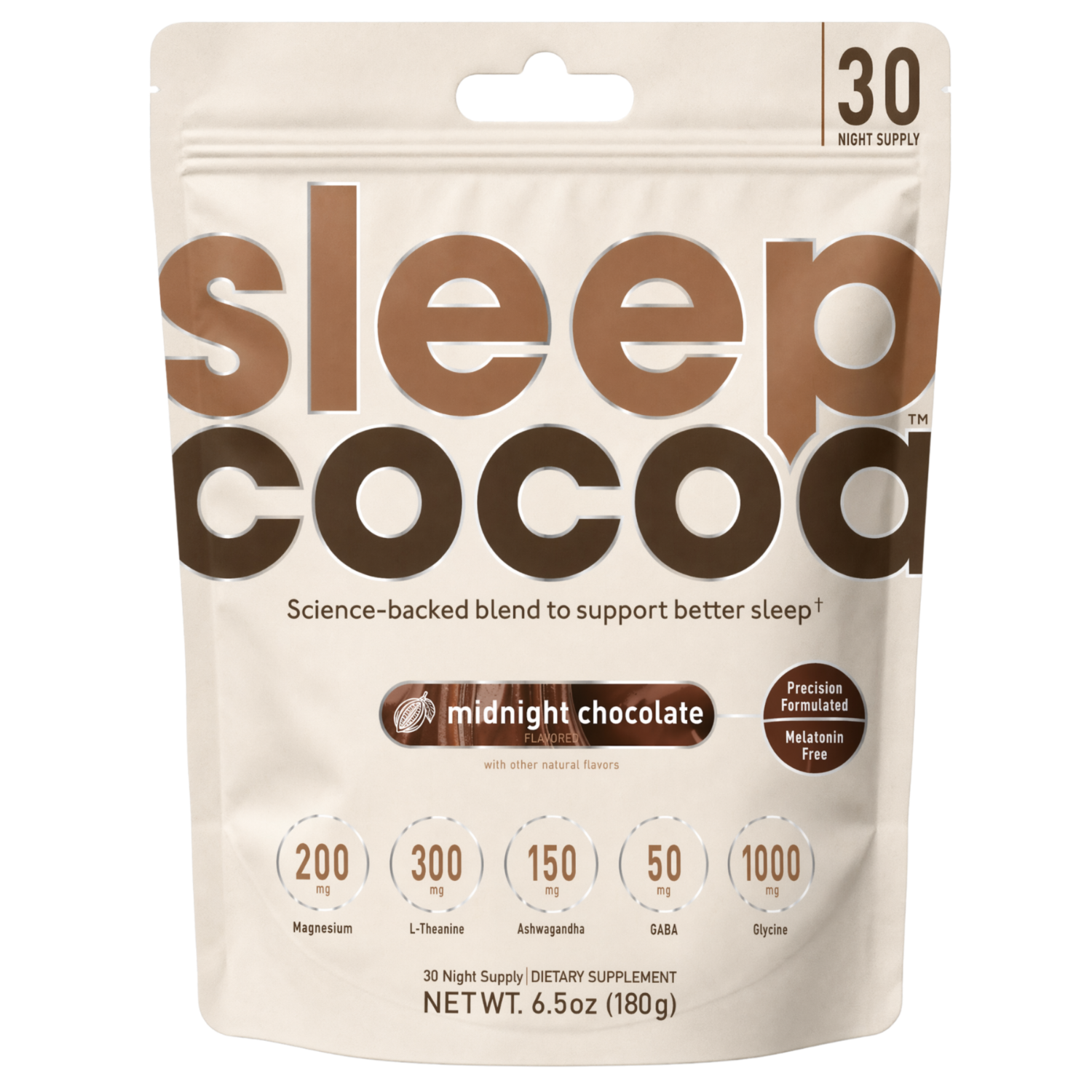
SleepCocoa makes a cocoa drink for your evening routine. Our team wrote this article, and we mention our product.
TL;DR: Regular hot cocoa can feel relaxing, but it often includes sugar, and cocoa naturally contains small amounts of caffeine and theobromine; the CDC suggests avoiding caffeine in the afternoon or evening. Bedtime cocoa drinks add supplement ingredients, such as magnesium glycinate, glycine, or L-theanine, to a cocoa base, so read the supplement facts panel and talk to your doctor or pharmacist if you take medication.
Quick comparison of the main options people shop
| Option | What it is for | Why people choose it | Common tradeoff | What to check on the label |
|---|---|---|---|---|
| Classic sweet hot cocoa packets | Familiar, sweet hot cocoa taste | Warm drink comfort can be part of a wind-down routine | Often higher sugar; cocoa naturally contains some caffeine, which can matter at night if you are sensitive to caffeine | Added sugar grams, serving size, and whether it includes caffeine or other stimulating ingredients |
| Plain cocoa mixes, like simple unsweetened cocoa | Short ingredient list and more control over sweetness | You can keep sugar low and still get a warm bedtime drink | Cocoa still has natural caffeine and theobromine; taste can be bitter without sweetener | Whether it is pure cocoa or a blend, plus any added sweeteners |
| Bedtime cocoa mixes with added supplement ingredients | A warm evening ritual with supplement ingredients added to a cocoa base | Keeps the cocoa ritual and adds ingredients such as magnesium, glycine, or L-theanine | If you want a plain dessert-style cocoa, it will feel more like a supplement drink than a candy-style mug | Active ingredients and amounts, whether melatonin is added, third-party testing, and whether it fits your medication list (ask your doctor or pharmacist) |
| Sleep-focused drink mixes | A drink mix sold for bedtime (some add melatonin) | Built around a bedtime routine | Formulas differ by product and version | Whether it adds melatonin, and the full active ingredient list |
| Functional cocoa-style drinks | A functional cocoa-style drink some people use at night | Often marketed as relaxing | Some versions may include added caffeine; if you are sensitive to caffeine, that can backfire | Stated caffeine mg per serving, plus sugar and any stimulating ingredients |
| Zero-sugar cocoa mixes | Zero-sugar preference | Less added sugar late in the evening | Zero sugar does not mean zero caffeine if it still uses cocoa | Whether it is cocoa-based, and whether caffeine is listed |
Does hot chocolate before bed help sleep?
A warm mug before bed can be part of a relaxing bedtime routine, which the American Academy of Sleep Medicine lists among its healthy sleep habits. When you repeat the same small routine each night, it becomes a signal that the day is done.
But the drink matters. Some hot cocoa is basically dessert, and some cocoa-based drinks include natural caffeine, added sugar, or extra add-ins you may not want late in the evening.
If you want the short version: keep the ritual, and check the label for caffeine, sugar, and any added ingredients.
Regular hot cocoa, what it does well and where it falls short
Regular hot cocoa wins on comfort and taste. If your main issue is that you have trouble shutting your phone off and settling down, a warm drink can help you start your bedtime ritual.
The downside is that regular mixes are usually formulated for flavor first. That often means added sugar and a more dessert-style profile, which is not always what you want 30-60 minutes before bed.
There is also the cocoa itself. Cocoa naturally contains caffeine and theobromine, and some people feel that stimulation even when the number looks small. If you have ever had chocolate after dinner and felt tired but wired, you already know what that feels like.
A contrarian take that saves people time
If your hot cocoa tastes great but your evenings still feel restless, moving to another dessert cocoa brand is unlikely to change much. Look at the whole routine: when you have caffeine, whether you keep the same bedtime, and whether your wind-down starts before you get into bed.
If you want to compare cocoa types, see how regular hot cocoa compares with other bedtime cocoa types.
Bedtime cocoa, what makes it different from hot cocoa
Bedtime cocoa is a category shift. Instead of cocoa that happens to be warm, it is a warm cocoa drink with supplement ingredients added, meant for the evening.
SleepCocoa, which we make, is one example of this category.
Because bedtime cocoa mixes are dietary supplements, check the supplement facts panel, look for quality signals like third-party testing, and talk to your doctor or pharmacist if you take medication.
Option-by-option notes people actually use to choose
Classic sweet hot cocoa packets
Classic packets are familiar and easy. If you want something that tastes like the hot cocoa you grew up with, they do that well.
The tradeoff is that classic mixes are often sweet, and sweetness near bedtime can be a problem if you notice energy swings or wake-ups later in the night. You also have less control over what is in the packet.
If you still want to use them sometimes, keep the serving consistent and watch how you feel the next morning. If you wake up groggy, the drink might be part of the story.
Plain cocoa or simple unsweetened cocoa mixes
Plain cocoa is the simplest approach. It can be a short ingredient list, and you can decide exactly how much sweetener you add.
The downside is taste and stimulation. Pure cocoa can taste bitter unless you add something, and cocoa still has natural caffeine and theobromine. If you are sensitive, even just cocoa can keep your brain a little too alert.
This option fits people who want control and do not mind experimenting. If your goal is the lowest caffeine, you will still need to check what the brand states, since cocoa itself varies.
Bedtime cocoa mixes with added supplement ingredients
These are for people who want a nightly hot cocoa bedtime ritual with supplement ingredients added. Formulas vary: common additions include magnesium glycinate, glycine, and L-theanine, and some mixes add melatonin while others do not.
If quality control matters to you, look for third-party testing, and remember that testing is a quality check, not a promise of what a product will do for you.
Practical tip: make it a real ritual. Make it at the same time each night, then keep the rest of your routine boring and consistent for 20-30 minutes after, like low light and no work tasks.
Sleep-focused drink mixes
These come up often when people search for bedtime cocoa mixes. They are positioned as bedtime support drinks, and some versions include melatonin.
If you have questions about melatonin, check the label to see whether it is added, and talk to your doctor or pharmacist.
Also check sweeteners and serving size. Those details matter more than most people think.
Functional cocoa-style drinks
Functional cocoa-style drinks are another common option people compare. They are often framed as calming.
The main thing to verify is whether the specific product lists caffeine per serving. Some people are fine with a little caffeine and still sleep well. Others fall asleep, then wake at 2 a.m. and cannot get back down.
If you already know you are sensitive to caffeine, this is where you do not guess. Read the label and trust your past experience.
Zero-sugar cocoa options
Zero-sugar cocoa mixes appeal to people who want less sugar. That can be a real benefit if sugar tends to make you snacky later in the evening.
Still, zero sugar does not mean zero caffeine. If it uses cocoa, it still contains some natural caffeine and theobromine, even if the sweetener is not sugar.
Check the ingredient panel for cocoa content, and if caffeine is not stated, assume you may feel it if you are sensitive.
How to compare caffeine, calories, and sugar without getting misled
People often ask for a perfect table of caffeine mg, calories, and sugar grams across brands. The issue is that those values vary by exact product and serving size, and they change when brands update formulas.
The more reliable approach is a label-first checklist. It takes 60 seconds per product and tells you more about your 10 p.m. mug than any generic list.
- Caffeine: If the product states caffeine mg per serving, use that. If it does not, remember cocoa still contains some natural caffeine and theobromine.
- Added sugar: If added sugar is more than you like at night, you may feel a late-night energy bump or wake-ups.
- Serving size: A packet is not always a serving. Compare per serving, not per packet, if they differ.
- Timing guidance: Follow the product's own suggested timing if it provides one.
If your priority is low caffeine and low sugar, compare the panels side by side, and remember that any cocoa-based drink contains some natural caffeine.
Medication questions, what to do before you buy
It is normal to wonder how you will react or whether a product interacts with something you take. Even familiar ingredients can matter depending on your health history.
Use a simple rule: if a product has active ingredients beyond cocoa, think of it as a supplement. Bring the supplement facts panel to your doctor or pharmacist and ask about interactions with your specific medications.
If you want a quick checklist for third-party testing, read how to choose a third-party tested bedtime cocoa.
FAQs
Does hot chocolate before bed actually help you sleep, or is it just comfort?
This matters because comfort can help you wind down, but ingredients still count. A relaxing bedtime routine is one of the AASM healthy sleep habits, and a warm mug can be part of it. Cocoa naturally contains small amounts of caffeine and theobromine, and many mixes add sugar, so check the label.
Between a bedtime cocoa and regular hot cocoa, what is the real difference?
The difference is whether the product adds supplement ingredients or is made for dessert flavor. Regular hot cocoa is usually made to taste sweet and comforting, while a bedtime cocoa adds ingredients such as magnesium, glycine, or L-theanine to a cocoa base. Read the supplement facts panel to see what is added and how much.
If I am caffeine-sensitive, what should I check on the label before buying any cocoa mix?
This matters because even small stimulation can show up as trouble falling asleep or a 2 a.m. wake-up. Check whether the product lists caffeine mg per serving, and remember that cocoa naturally contains caffeine and theobromine even when a label does not emphasize it. The CDC suggests avoiding caffeine in the afternoon or evening.
I like warm drinks before bed, but hot cocoa does not seem to help me wind down. What should I look at?
The ritual may be working even if the drink is not a great fit. Look at caffeine timing, sugar, and the rest of your routine first: the CDC suggests avoiding caffeine in the afternoon or evening and keeping the same bed and wake time every day. If you are considering a bedtime cocoa with supplement ingredients, run the ingredient list by your doctor or pharmacist, especially if you take medication.
How far before bed should I drink a bedtime cocoa?
Timing matters because you want the drink to be part of your wind-down without sending you to the bathroom at midnight. Follow the label's directions, and keep in mind that the AASM suggests reducing fluids before bed. Many people pair a warm drink with a simple wind-down block afterward, like low light and no screens, so the body gets a clear cue.
What if I try a supplement drink and it is not a fit for me?
This matters because sleep routines are personal, so give any change enough nights to see a pattern and keep simple notes. If a product is not a fit, check the brand's refund policy, and bring your routine details and ingredient list to your doctor or pharmacist to look at caffeine timing, stress, or medication effects.
Should I look for a bedtime cocoa without added melatonin?
That depends on you, and it is a good question for your doctor or pharmacist. Melatonin is a hormone your brain makes in response to darkness, and it helps with the timing of your circadian rhythms and with sleep, according to NCCIH. Check the supplement facts panel to see whether a drink mix adds melatonin.
How to decide what to buy for your next bedtime mug
Start with your main constraint. If you are sensitive to caffeine, prioritize products that clearly state caffeine, and think of regular cocoa as an occasional comfort drink.
If sugar affects your sleep, keep added sugar low and watch how you feel at 2 a.m., not just at 10 p.m. If you are comparing formats, bedtime drinks for your evening routine can help you narrow it down.
References
- CDC, About Sleep
- American Academy of Sleep Medicine, Healthy Sleep Habits
- NCCIH, Melatonin: What You Need To Know
*These statements have not been evaluated by the Food and Drug Administration. This product is not intended to diagnose, treat, cure, or prevent any disease. Research cited describes individual ingredients, not SleepCocoa as a finished product, which has not been clinically tested. Talk to your doctor or pharmacist before use if you are pregnant, nursing, under 18, have a medical condition, or take any medication. Do not drive or operate machinery until you know how SleepCocoa affects you.