Sleep gummies vs a bedtime drink: how the two formats compare
Gummies or a warm bedtime drink? A neutral look at routine fit, prep, and what to check on the label for melatonin, caffeine, and add-ons.
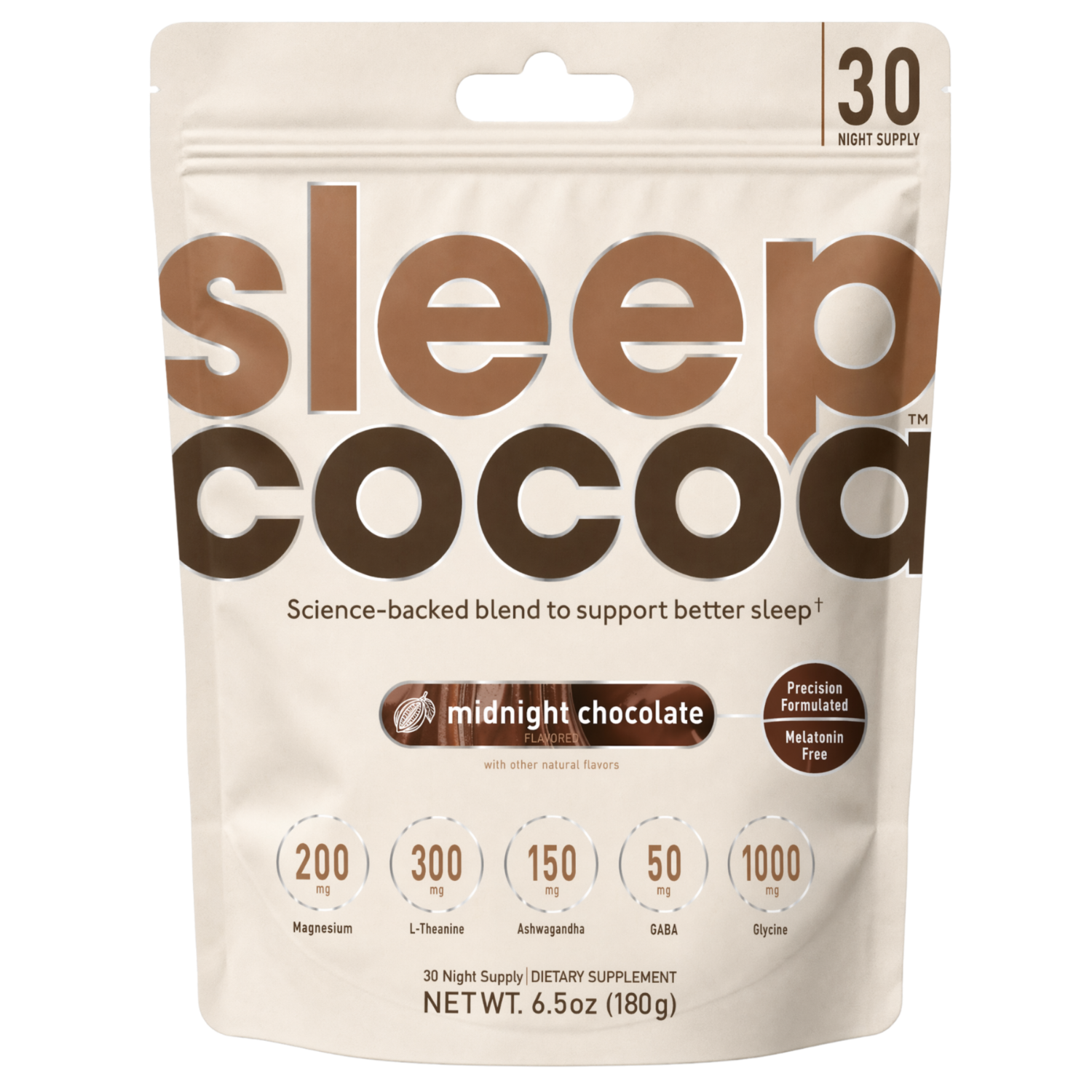
SleepCocoa makes a cocoa drink for your evening routine. Our team wrote this article, and we mention our product.
TL;DR: If sleep gummies do not fit your evening, a bedtime drink offers a repeatable warm-drink ritual instead of another thing to remember. Whichever format you look at, compare labels for melatonin, caffeine, and other stimulants, then ask your doctor or pharmacist about your specific medications.
Quick comparison of common options
| Option | Format | Adds melatonin? | May fit if you want | Main tradeoff to consider |
|---|---|---|---|---|
| Hot cocoa-style bedtime drink mixes | Hot cocoa bedtime drink | Varies by product | A nightly cocoa bedtime ritual | You need a few minutes to mix it and drink it, instead of taking a gummy and moving on |
| Sleep gummies | Gummy supplement | Varies by brand | Fast, no-prep dosing and a candy-like routine | Easy to eat like candy, and ingredients such as melatonin, sugars, or other add-ons vary by product, so read the label |
| Cozy bedtime drink mixes | Bedtime drink mix | Varies by product | A packaged bedtime drink with a distinct flavor profile | Check the label closely for ingredients you do not want, and confirm it matches your caffeine and melatonin preferences |
| Sleep supplements sold in several formats | Drink mixes, capsules, or other formats (varies) | Varies by product | A non-gummy supplement style, depending on the exact product you pick | Because formats vary, you need to verify the exact ingredient list for melatonin, stimulants, and taste profile |
| Functional-beverage style night drinks | Drink mixes (varies) | Varies by product | A flavored evening drink format | Flavor and ingredient style can be more functional beverage than classic cocoa, so read the label for your preferences |
| Drink mixes with public ingredient pages | Drink mixes (varies) | Varies by product | A bedtime drink with ingredient information online | You still need to screen for the specific ingredient types you do not want |
| Herbal-leaning evening drink mixes | Drink mixes (varies) | Varies by product | An evening drink with a botanical flavor | Some people find certain blends taste more herbal than cocoa, so flavor expectations matter |
Why gummies do not fit some people's routines
If sleep gummies do not fit your evening, it may be that the format does not match how you actually wind down.
Gummies are easy to take fast, then keep scrolling or working. That is convenient, but it can skip a relaxing bedtime routine, which the American Academy of Sleep Medicine lists among its healthy sleep habits.
There is also a label question. Gummies vary a lot in what they contain, including whether they add melatonin and how much sugar they have, so read the label, and talk to your doctor or pharmacist if you have questions about any ingredient.
Why a bedtime drink can feel different
A bedtime drink slows you down in a useful way. When you warm water or milk, stir, and sip, your brain gets a repeatable cue that bedtime is coming.
Melatonin is a hormone your brain makes in response to darkness; it helps with the timing of your circadian rhythms and with sleep, and light at night can block its production, according to NCCIH. Whether a product adds melatonin is on the supplement facts panel, so read what a product actually contains, not just the name on the front, and take any questions about melatonin to your doctor or pharmacist.
Bedtime cocoa, what it is and who it fits
A bedtime cocoa is a warm cocoa drink mix made for an evening routine. Some are dietary supplements with added ingredients, so read the supplement facts panel. It may fit people who want a nightly drink ritual rather than a gummy routine.
If you want a deeper breakdown of how bedtime cocoa compares with regular hot cocoa, see Bedtime cocoa vs regular hot cocoa.
Giving a new routine a fair first week
The ritual is the first thing to notice: whether a warm cocoa routine helps you step away from screens and stop negotiating with bedtime.
For any new evening product, give yourself consistent conditions. Same time, similar evening meal timing, and the same cup size and liquid, so you are not changing five variables at once.
Other bedtime drink options to compare
The categories below are other bedtime drink styles you may come across. The right move is to handle them like label-reading exercises, since you cannot assume what is inside any specific blend without looking at the product you are holding.
Cozy bedtime drink mixes
Some drink mixes are positioned as cozy bedtime drinks. If you want to know whether one adds melatonin or caffeine, verify both on the label for the exact product and flavor you are buying, since product lines can change.
If you are scanning for stimulants, do not stop at front-of-pack caffeine claims. Look for ingredient callouts that can add caffeine, like green tea extract, guarana, yerba mate, or added caffeine.
Sleep supplements sold in several formats
Some brands offer sleep products in different formats. Confirm you are comparing the same type of product, drink mix vs capsules vs something else.
If you want a cocoa-forward bedtime ritual, the taste profile matters as much as the supplement panel. If a mix tastes herbal to you, you may give up on it even if the ingredients look fine.
Functional-beverage style night drinks
Some night drinks are more of a functional beverage than a cocoa. If your goal is hot cocoa, not herbal, pay attention to whether the drink is actually cocoa-based or more of a functional beverage flavor.
If you are avoiding mushrooms, CBD, or nano-CBD, make that a hard filter. Check the ingredient list first, before you think about price per serving.
Drink mixes with public ingredient pages
Some brands publish ingredient explainers online. If you use one to screen a product, confirm the label on the tub matches what you saw online.
Herbal-leaning evening drink mixes
Some evening drink mixes taste more botanical than cocoa. If you dislike anything that reads mushroomy or botanical, check the flavor description and ingredient list with one question in mind: does it taste like cocoa or like an herbal blend?
How to spot caffeine and stimulant add-ons on any label
If you want to keep caffeine as low as possible, you need two checks: the nutrition panel and the ingredient list. Marketing claims are not enough.
- Look for explicit caffeine sources: added caffeine, green tea extract, matcha, yerba mate, guarana.
- Scan for energy blends: some nighttime products add ingredients marketed for energy or focus, which are not what you want before bed.
- Decide where you stand on hemp-derived add-ons: if you want no CBD or nano-CBD, make that a firm no.
- Check the cocoa itself: cocoa naturally contains small amounts of caffeine and theobromine, and some people are sensitive to even small amounts of caffeine. If that is you, consider a bedtime drink without cocoa instead of forcing a cocoa habit.
Medications and new supplements: talk to your doctor or pharmacist
This is a normal concern, and you should take it seriously. Ingredients in sleep supplements can matter for certain medications, and people respond differently even when an ingredient is common.
If you take medication or have a health condition, ask your doctor or pharmacist to look over the supplement facts panel before you start. If you want to keep it simple, take a photo of the label and ask whether any ingredient could matter for your medications or for taking it at night.
Trying a bedtime drink routine: a simple plan
If you try a new format, do not keep the same late-night habits. Change the conditions enough that you can see what fits.
- Pick one product and stick with it: do not rotate three options. You will not know how each one affects you.
- Set a consistent time: choose a nightly window you can repeat, even on weekends.
- Make it your cutoff ritual: after the mug, lights down and phone away. The American Academy of Sleep Medicine suggests limiting bright light in the evening and turning devices off 30 minutes before bed.
- Track one thing: either time to fall asleep or nighttime waking. Do not track ten metrics.
FAQ
I tried sleep gummies and they did not fit my routine. What should I look at next?
If gummies did not fit, the problem is often the routine, not your willpower. A warm drink can give you a repeatable wind-down cue instead of a quick candy-like dose. Whatever you try, keep the rest of your night consistent for a week, and talk to your doctor or pharmacist if you have questions about any sleep supplement. If trouble sleeping keeps going, the CDC suggests talking to a healthcare provider.
Should I choose a bedtime drink that contains melatonin?
That depends on you, and it is a good question for your doctor or pharmacist. Melatonin is a hormone your brain makes in response to darkness, and it helps with the timing of your circadian rhythms and with sleep, according to NCCIH. Check the supplement facts panel to see whether a drink mix adds melatonin.
How do I spot caffeine and added stimulants on a bedtime drink label?
Check both the nutrition panel and the ingredient list for green tea extract, matcha, yerba mate, guarana, or added caffeine, not just energy language on the front. Cocoa itself naturally contains small amounts of caffeine and theobromine, so if you are very sensitive to caffeine, consider a bedtime drink without cocoa instead of forcing a cocoa mix. The CDC suggests avoiding caffeine in the afternoon or evening.
Do any of these bedtime drinks add CBD, nano-CBD, or mushrooms?
Some people do not want hemp-derived ingredients or mushroom blends in their nightly routine. The clearest way to avoid CBD, nano-CBD, or mushrooms in any brand is to make them non-negotiables and check the ingredient list before you buy. If a label is unclear, contact the brand or ask your pharmacist before taking it nightly.
How do I compare value if I am choosing between bedtime drink mixes?
This question matters because price tags can mislead when serving counts differ. The clean way to compare is cost per serving and whether you will actually use it nightly, since an unused tub is always the worst value.
What if I take medications and I am worried about interactions?
This is the right question to ask before adding any nightly supplement. Ask your doctor or pharmacist to check the Supplement Facts panel against your medication list. A practical step is to take photos of the front label and the Supplement Facts panel and send them in your portal message.
How is a bedtime cocoa different from regular hot cocoa?
Hot cocoa can mean anything from a sugar-heavy dessert mix to a bedtime drink sold as a dietary supplement with added ingredients. Read the label to see what a mix adds and how much. If you want the specifics of how we think about bedtime cocoa vs regular hot cocoa, read Bedtime cocoa vs hot cocoa.
How to decide what fits your routine this week
Start by deciding what you are filtering out: melatonin, caffeine, CBD or nano-CBD, mushrooms, or anything that tastes herbal. Then decide what matters most in your routine: prep time, taste, or a warm-drink cue.
If you want more ideas for the ritual itself, see our guide to a calm bedtime drink ritual. If you want a faster, no-prep option, gummies can still fit, as long as the label matches your ingredient boundaries and your routine supports winding down.
References
- American Academy of Sleep Medicine, Healthy Sleep Habits
- NCCIH, Melatonin: What You Need To Know
- CDC, About Sleep
*These statements have not been evaluated by the Food and Drug Administration. This product is not intended to diagnose, treat, cure, or prevent any disease. Research cited describes individual ingredients, not SleepCocoa as a finished product, which has not been clinically tested. Talk to your doctor or pharmacist before use if you are pregnant, nursing, under 18, have a medical condition, or take any medication. Do not drive or operate machinery until you know how SleepCocoa affects you.